
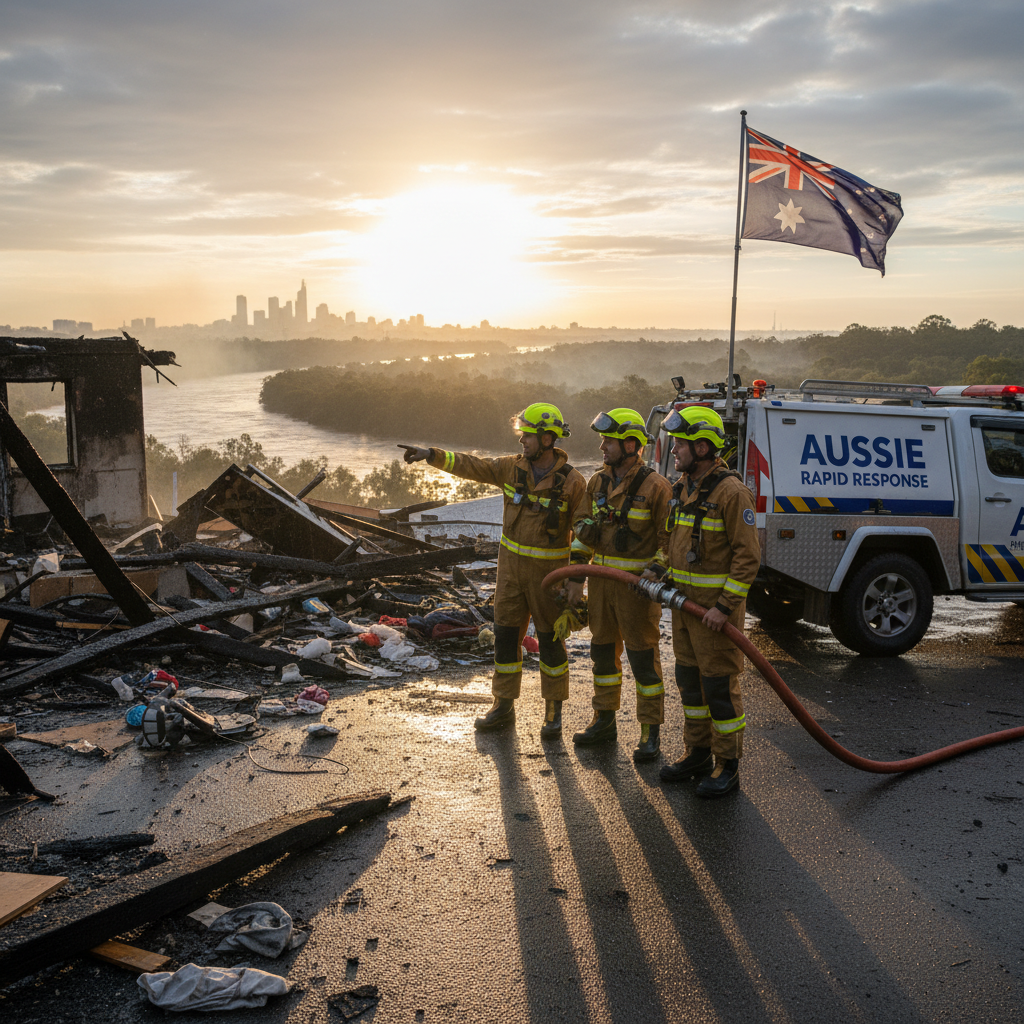
Your trusted partner for urgent water, flood, and fire damage recovery Australia wide
- By, National Restoration Network
- 25 Apr, 2026
Your trusted partner for urgent water, flood, and fire damage recovery Australia wide
Property damage, whether from a burst pipe, a relentless storm, or a devastating fire, can strike without warning, leaving homeowners and businesses in a state of shock and uncertainty. The aftermath of such events is not just about visible destruction; it involves hidden moisture, pervasive odours, structural compromise, and potential health hazards that demand immediate and expert attention. In Australia, where weather patterns can be extreme and unexpected incidents common, knowing where to turn for reliable restoration services is paramount. This article explores the critical importance of swift, professional intervention for water, flood, and fire damage, highlighting how specialised restoration teams provide peace of mind and comprehensive recovery.
The Immediate Threat of Water Damage in Australia
Water damage can originate from a myriad of sources, from a leaking appliance or an overflowing toilet to severe weather events like heavy rainfall and storms. Regardless of its origin, the destructive potential of water is immense and time-sensitive. Within hours, water can seep into building materials, weakening structures, damaging furnishings, and creating an ideal environment for mould growth. The longer water sits, the more extensive and costly the damage becomes, making a rapid response absolutely crucial.
Why "Water Damage Restoration Near Me" Matters for Rapid Response
When facing a water emergency, the speed of response is a primary factor in mitigating loss. Searching for "water damage restoration near me" ensures that a local team can reach your property quickly, often within hours. This immediate deployment allows for prompt water extraction, preventing further saturation of materials and halting the progression of damage. A local presence also means familiarity with regional building codes, common structural designs, and local environmental factors that might influence the restoration process. Timely intervention can significantly reduce secondary damage, such as mould infestation and structural deterioration, ultimately saving you time, stress, and money.
Understanding the Scope of Water Damage
Not all water damage is created equal. Restoration professionals categorise water into three types to determine the appropriate response and safety precautions:
- Category 1 (Clean Water): Originates from a sanitary source (e.g., burst pipes, overflowing sinks). While initially clean, it can quickly degrade if not addressed.
- Category 2 (Grey Water): Contains contaminants (e.g., washing machine overflow, toilet overflows with urine). Presents a moderate health risk.
- Category 3 (Black Water): Highly unsanitary and dangerous (e.g., sewage backups, floodwaters from rivers or oceans). Contains pathogenic agents and requires extreme caution and specialised handling.
Understanding these categories is vital for safe and effective restoration, as different levels of contamination require specific cleaning, sanitisation, and disposal protocols.
The Process of Professional Water Damage Restoration Australia
Engaging a professional service for water damage restoration Australia involves a systematic approach designed to restore your property to its pre-damage condition. This typically includes:
- Assessment and Inspection: Identifying the source of water, assessing the extent of damage, and categorising the water type.
- Water Extraction: Using powerful pumps and vacuums to remove standing water swiftly.
- Drying and Dehumidification: Employing industrial-grade air movers and dehumidifiers to thoroughly dry out affected areas and prevent mould.
- Cleaning and Sanitisation: Cleaning all salvageable items and structures, followed by sanitisation and deodorisation to eliminate contaminants and odours.
- Restoration and Repairs: Repairing or replacing damaged building materials like drywall, flooring, and insulation, ensuring structural integrity.
This comprehensive process ensures that both visible and hidden damage is addressed, providing a safe and healthy environment.
Addressing Flood Damage Australia's Unique Challenges
Australia is no stranger to severe weather events, and floods are among the most destructive. Unlike typical water damage from internal sources, floodwaters present a heightened level of risk and complexity due to their origin and potential contaminants. Flood restoration requires a robust and highly specialised approach to ensure complete recovery and safety.
Beyond Simple Water Damage The Dangers of Floodwaters
Flood damage goes beyond mere saturation. Floodwaters, particularly from external sources like rivers or storm surges, are invariably Category 3 (black water). They carry a cocktail of contaminants including sewage, chemicals, pesticides, and biological hazards such as bacteria, viruses, and fungi. This makes the affected environment extremely hazardous to health. Furthermore, the sheer volume and force of floodwaters can cause significant structural damage, undermining foundations, shifting walls, and compromising the integrity of buildings. The rapid rise of water can also push debris into properties, adding to the cleanup challenge.
Specialised Flood Restoration Australia Techniques
Given the severe nature of flood damage, National Restoration Network employs advanced techniques for flood restoration Australia wide:
- Immediate Site Securisation and Safety Protocols: Prioritising the safety of occupants and restoration technicians due to electrical hazards, structural instability, and biological contaminants.
- Hazardous Material Handling: Expert removal and disposal of contaminated materials, adhering to strict health and safety guidelines.
- Aggressive Water Extraction and Structural Drying: Utilising high-capacity equipment to remove vast quantities of water, followed by intensive drying protocols to address deep saturation in structural elements.
- Decontamination and Antimicrobial Treatment: Thorough cleaning, sanitisation, and application of antimicrobial agents to eliminate pathogens and prevent mould and mildew growth.
- Odour Removal: Specialised techniques to neutralise persistent flood odours, not just mask them.
- Content Restoration: Careful assessment, cleaning, and restoration of salvageable personal belongings and contents that have been exposed to floodwaters.
These specialised steps are crucial for safely and effectively restoring properties impacted by significant flooding.
Emergency Water Damage Restoration When Every Second Counts
A water emergency can strike at any hour of the day or night. Whether it's a pipe bursting at 2 AM or a storm causing widespread flooding on a public holiday, the need for immediate response is non-negotiable. This is where emergency water damage restoration services prove invaluable, providing a lifeline when properties are most vulnerable.
The Urgency of Emergency Services
The window of opportunity to prevent extensive water damage is incredibly small. Within 24-48 hours, standing water can lead to irreparable damage to floors, walls, and furniture, and rapidly accelerate mould growth. Emergency services are designed to address these critical situations with speed and efficiency. They are available 24/7, ensuring that help is always at hand, regardless of when disaster strikes. This immediate intervention is key to mitigating financial losses, preserving property value, and safeguarding the health of occupants.
What to Expect from an Emergency Response Team
When you call for emergency water damage restoration, a professional team will typically:
- Arrive Swiftly: Within a few hours of your call, equipped with the necessary tools and machinery.
- Perform Initial Assessment: Quickly identify the water source, assess the immediate risks, and determine the scope of the damage.
- Implement Safety Measures: Shut off electricity if necessary, secure the area, and advise on any immediate dangers.
- Begin Water Extraction: Start removing standing water immediately to prevent further saturation.
- Deploy Drying Equipment: Set up industrial air movers and dehumidifiers to initiate the drying process.
- Formulate a Detailed Plan: Provide a clear action plan for the subsequent stages of restoration, including cleaning, sanitisation, and repairs.
This proactive approach by National Restoration Network helps stabilise the situation and sets the stage for a successful long-term recovery.
The Devastation of Fire and the Need for Fire Damage Restoration Australia
While water damage poses its own set of challenges, fire damage brings a different kind of destruction, often more visible and emotionally taxing. The aftermath of a fire involves not only burned structures but also pervasive smoke, soot, and water damage from firefighting efforts. Effective fire damage restoration requires a highly specialised skill set to address these complex layers of destruction.
The Complexities of Fire and Smoke Damage
Fire damage is rarely confined to the burned areas. Heat and smoke travel rapidly, affecting materials far from the flames. Soot, a corrosive residue, settles on surfaces, causing discolouration and etching if not promptly removed. Smoke odour permeates everything, from furniture and clothing to the very fabric of the building, and can linger for months or even years if not treated professionally. Additionally, the water used to extinguish the fire often creates secondary water damage, adding another layer of complexity to the restoration process. The combination of heat, smoke, soot, and water creates a toxic environment that requires expert handling and meticulous cleaning.
Comprehensive Fire Damage Restoration Australia Procedures
A professional fire damage restoration Australia service addresses all aspects of fire-related destruction:
- Emergency Board-Up and Roof Tarping: Securing the property to prevent further damage from weather or vandalism.
- Structural Stabilisation: Assessing and shoring up compromised structures to ensure safety.
- Soot and Smoke Removal: Using specialised equipment and techniques to remove soot from all surfaces, including walls, ceilings, and contents.
- Odour Removal and Deodorisation: Employing thermal foggers, ozone generators, and other advanced methods to neutralise smoke odours at a molecular level.
- Content Cleaning and Restoration: Carefully inventorying, cleaning, and restoring salvageable personal items, often off-site in a controlled environment.
- Water Damage Mitigation: Addressing any water damage caused by firefighting efforts, including extraction, drying, and mould prevention.
- Reconstruction and Repairs: Rebuilding damaged sections of the property, including drywall, flooring, electrical systems, and plumbing, to restore it to its original condition.
This multi-faceted approach ensures a thorough and complete recovery from fire damage, making the property safe and habitable once more.
Choosing the Right Restoration Partner National Restoration Network
When disaster strikes, the choice of your restoration partner can significantly impact the outcome of your property's recovery. You need a team that not only understands the technical aspects of restoration but also the emotional toll these events take on property owners. National Restoration Network stands as a leader in comprehensive damage restoration across Australia, offering expertise, empathy, and efficiency.
Why Experience and Local Knowledge Matter
The National Restoration Network brings years of experience and a deep understanding of the unique challenges faced by Australian properties. Our certified technicians are trained in the latest restoration techniques and equipped with state-of-the-art technology to handle any scale of damage, from minor leaks to catastrophic floods and fires. Our extensive network means we have local teams ready to respond quickly, providing that crucial "near me" advantage for emergency situations. This local presence, combined with national resources, ensures a swift and effective response tailored to your specific needs and environment.
A Holistic Approach to Property Recovery
At National Restoration Network, we believe in a holistic approach to restoration. We don't just fix the immediate problem; we address all aspects of the damage, from initial assessment and mitigation to final reconstruction and deodorisation. Our services encompass water damage restoration, flood restoration, fire damage restoration, mould remediation, and even specialised services like asbestos removal and trauma cleanup. We work closely with insurance companies, streamlining the claims process and providing clear, consistent communication every step of the way. Our goal is not just to restore your property, but to restore your peace of mind.
Conclusion
Experiencing property damage from water, flood, or fire can be one of the most challenging times for any property owner. The complexities involved, from hidden moisture and structural instability to pervasive odours and health risks, demand the expertise of professional restoration specialists. For residents and businesses across Australia, the importance of quick, comprehensive, and compassionate service cannot be overstated. By choosing an experienced and reliable partner like National Restoration Network, you ensure that your property receives the highest standard of care, leading to a complete and lasting recovery. Don't let disaster define your property's future; act swiftly and trust the experts to bring your home or business back to its best.