
Your Expert Guide to Water Damage & Flood Restoration Services in Australia
- By, National Restoration Network
- 04 Mar, 2026
Your Expert Guide to Water Damage & Flood Restoration Services in Australia
Water damage can strike unexpectedly, transforming a peaceful home or bustling business into a scene of chaos and potential devastation. Whether it's a burst pipe, an overflowing appliance, or the widespread impact of a natural disaster, the aftermath of water intrusion demands immediate and professional attention. Across Australia, from the bustling cities to the remote communities, property owners face unique challenges when confronted with water damage. The key to mitigating long-term structural issues, preventing mould growth, and protecting your health and investments lies in prompt and effective water damage restoration. This comprehensive guide will navigate the complexities of water damage, flood restoration, and the critical role of emergency and disaster restoration services across Australia, helping you understand why professional intervention is not just a convenience, but a necessity.
Understanding the Urgency of Water Damage Restoration in Australia
When water infiltrates your property, the clock starts ticking. The longer water sits, the more extensive and severe the damage becomes. What might start as a minor leak can quickly escalate into a major issue, impacting everything from your flooring and walls to your electrical systems and personal belongings. Recognising the different categories of water damage is crucial for effective remediation:
- Category 1 (Clean Water): Originates from a sanitary source (e.g., burst pipes, overflowing sinks). While initially clean, it can quickly degrade if not addressed.
- Category 2 (Grey Water): Contains a significant level of contaminants (e.g., washing machine overflow, toilet overflow with urine only). Poses a greater health risk.
- Category 3 (Black Water): Highly contaminated and unsanitary (e.g., sewage backup, floodwaters). Poses severe health risks and requires specialised handling.
The immediate consequences of water damage include saturated materials, swelling wood, peeling paint, and damaged electronics. However, the long-term effects can be far more insidious, primarily the growth of mould and mildew. Mould can begin to grow within 24-48 hours of water exposure, leading to structural degradation, unpleasant odours, and significant health problems for occupants, especially those with respiratory conditions. This is why immediate action and professional `emergency water damage restoration` are non-negotiable. For anyone searching for `water damage restoration near me`, speed and expertise are paramount to minimise financial loss and health risks.
The Comprehensive Process of Water Damage Restoration
Professional water damage restoration is a multi-step process designed to return your property to its pre-loss condition safely and efficiently. It requires specialised equipment, trained technicians, and a thorough understanding of building materials and environmental science. Here’s a breakdown of the typical steps involved:
Inspection and Assessment
The first crucial step involves a detailed assessment of the damage. Technicians identify the source of the water, stop it if necessary, and categorise the water damage. They use moisture meters, thermal imaging cameras, and other advanced tools to determine the extent of saturation, including areas that may not be visible to the naked eye. This assessment forms the basis of a tailored restoration plan.
Water Extraction
Once the assessment is complete, the immediate priority is to remove standing water. High-powered pumps and industrial-strength wet vacuums are used to extract thousands of litres of water quickly. Rapid water extraction is vital to prevent further saturation of materials and to kickstart the drying process, significantly reducing the risk of secondary damage like mould.
Drying and Dehumidification
After standing water is removed, the focus shifts to drying out the affected areas. Industrial-grade air movers and dehumidifiers are strategically placed to circulate air and reduce humidity levels. This step is critical for drying out structural elements, carpets, and other porous materials that have absorbed moisture. Monitoring equipment is used continuously to ensure optimal drying conditions and to track progress, ensuring that moisture levels return to normal, safe parameters.
Cleaning, Sanitising, and Deodorising
Any areas affected by water damage, especially from grey or black water, require thorough cleaning and sanitisation. Professional restorers use anti-microbial treatments to prevent mould and bacterial growth. Odour removal is also a key component, addressing the musty smells often associated with water damage. This step ensures a safe and hygienic environment for occupants.
Restoration and Repair
The final phase involves restoring your property to its pre-damage condition. This can range from minor repairs like replacing drywall and repainting to more extensive reconstruction, such as laying new flooring, repairing structural components, or rebuilding entire sections of a property. Professional `water damage restoration australia` services ensure that all repairs are carried out to the highest standards, restoring both functionality and aesthetics.
Specialised Flood Restoration in Australia
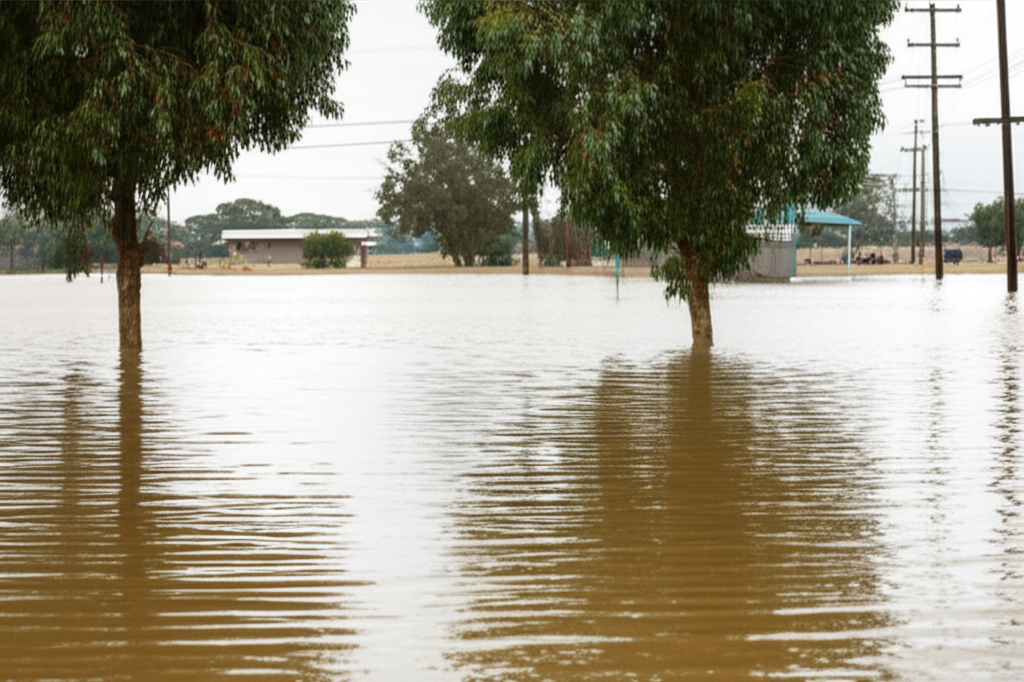
Australia is no stranger to severe weather events, and floods are a recurring and devastating natural disaster in many regions. `Flood restoration australia` presents unique challenges that go beyond typical water damage scenarios. Floodwaters often carry a high level of contaminants, including sewage, chemicals, and debris, rendering them Category 3 (black water) and posing significant health risks. The sheer volume and force of floodwaters can also cause extensive structural damage, eroding foundations, collapsing walls, and compromising the integrity of entire buildings.
Effective flood restoration requires a highly coordinated and robust response. It often involves:
- Large-scale debris removal.
- Extensive sanitisation and disinfection protocols due to contamination.
- More intensive structural drying and dehumidification.
- Detailed structural assessments to identify hidden damage.
- Working closely with local authorities and emergency services.
The emotional toll of flooding is also immense. Professional flood restoration teams understand these complexities and provide not only technical expertise but also compassionate service, guiding property owners through a challenging recovery process.
Beyond Water: Comprehensive Disaster Restoration Services Australia
While water and flood damage are significant concerns, properties in Australia can be affected by a range of other disasters, from bushfires to severe storms. This is where comprehensive `disaster restoration services australia` become invaluable. A full-service restoration company or network can handle multiple types of damage, offering a seamless recovery process regardless of the disaster's origin.
These services often include:
- Fire and Smoke Damage Restoration: Cleaning soot, removing smoke odours, and repairing fire-damaged structures.
- Storm Damage Restoration: Repairing damage from high winds, hail, and fallen trees.
- Mould Remediation: Specialised services for mould removal and prevention.
- Biohazard Cleanup: Safe and compliant cleanup of hazardous materials.
Having a single point of contact for various restoration needs simplifies the recovery process, reduces stress, and ensures consistent quality. A reputable network like the National Restoration Network connects property owners with qualified and experienced professionals capable of handling a wide spectrum of disaster scenarios across the country.
Finding "Water Damage Restoration Near Me" with National Expertise
When an emergency strikes, the first thought is often "How do I find `water damage restoration near me`?" Proximity and rapid response are critical, but so is the quality and reliability of the service. In a vast country like Australia, accessing professional, certified restorers quickly can be a challenge, especially in regional areas.
A national network offers the best of both worlds: local responsiveness backed by national standards and resources. When you search for `water damage restoration australia`, you want a provider who:
- Offers 24/7 emergency services.
- Is IICRC certified (Institute of Inspection, Cleaning and Restoration Certification).
- Has a proven track record and positive customer testimonials.
- Works seamlessly with insurance companies.
- Utilises state-of-the-art equipment and techniques.
The National Restoration Network, for instance, vets and connects you with local experts who meet these rigorous criteria, ensuring that you receive immediate, high-quality service no matter where you are in Australia. They understand the unique environmental conditions and building codes relevant to different Australian regions, providing tailored and effective solutions. For specialised `water damage restoration australia` services, you can learn more and find a local expert at https://nationalrestorationnetwork.com.au/water-damage.
Why Choose Professional Restoration Services?
While the temptation to handle water damage yourself might be strong, especially for seemingly minor incidents, professional restoration services offer unparalleled benefits that safeguard your property, health, and finances in the long run.
- Expertise and Experience: Certified technicians possess the knowledge to identify hidden moisture, prevent mould, and execute complex drying strategies that DIY methods often miss.
- Specialised Equipment: Professionals use industrial-grade extractors, air movers, dehumidifiers, and moisture detection tools that are far more effective than consumer-grade alternatives.
- Health and Safety: Dealing with contaminated water or mould requires proper personal protective equipment (PPE) and adherence to safety protocols to prevent health risks.
- Mould Prevention: Professional drying techniques are designed to eliminate moisture completely, significantly reducing the risk of mould growth and its associated problems.
- Insurance Claims Assistance: Reputable restoration companies work directly with insurance providers, assisting with documentation, scope of work, and ensuring a smoother claims process.
- Peace of Mind: Knowing that your property is being handled by qualified experts allows you to focus on other aspects of recovery without added stress.
For comprehensive and reliable `disaster restoration services australia`, partnering with a trusted network ensures that you receive prompt, efficient, and professional help when you need it most. The National Restoration Network stands as a beacon for property owners seeking top-tier restoration solutions.
Conclusion
Water damage, floods, and other disasters can be overwhelming, but with the right professional help, recovery is not only possible but efficient. The critical takeaway is the urgency of action: delaying water damage restoration can lead to exponentially greater costs, extensive structural damage, and severe health risks. Whether you're facing a minor leak or the widespread devastation of a natural flood, professional `emergency water damage restoration` is your best defence.
Across Australia, from urban centres to rural properties, access to high-quality `water damage restoration australia` and `flood restoration australia` services is essential. By understanding the process, recognising the importance of certified professionals, and knowing where to turn for comprehensive `disaster restoration services australia`, you can protect your property and peace of mind. Don't hesitate when disaster strikes; connect with trusted experts who can provide the rapid, effective, and thorough restoration services you need to rebuild and recover.