
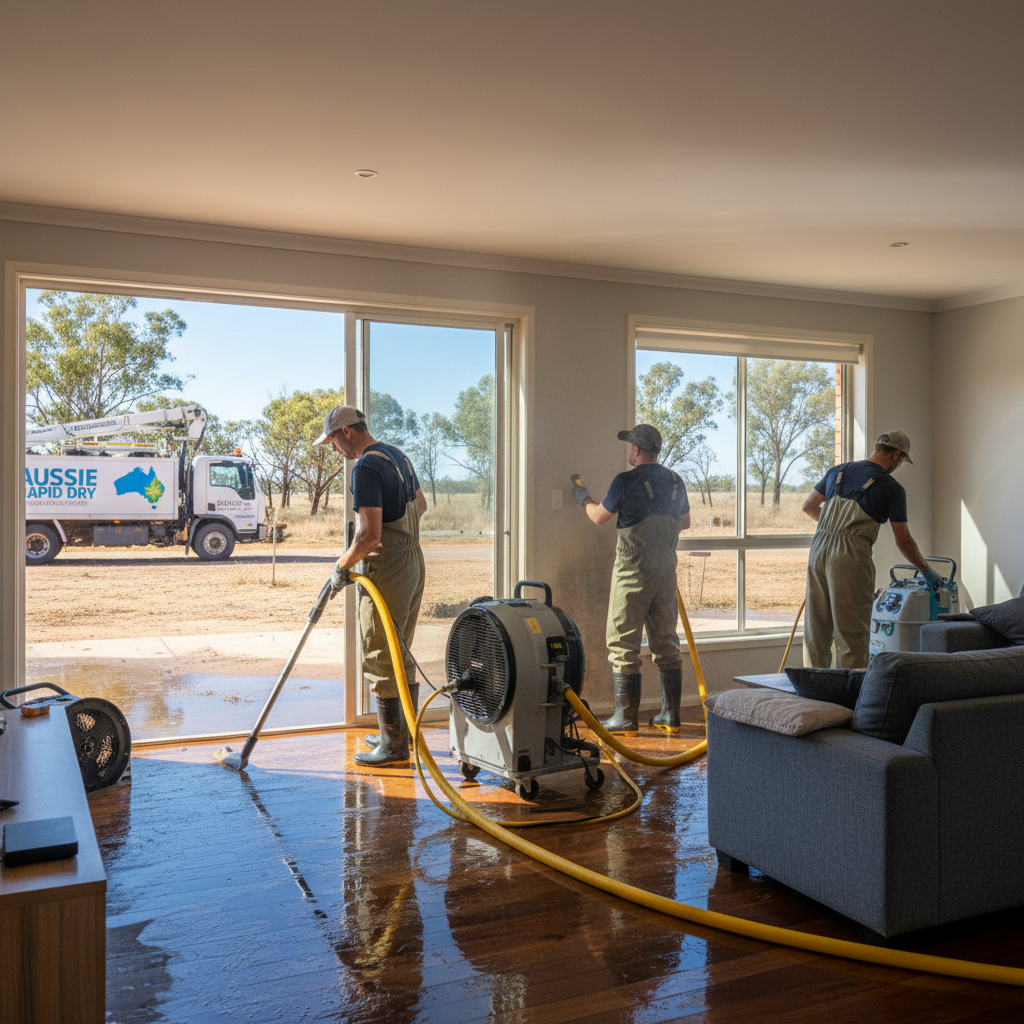
Rapid water damage restoration services across Australia protect your property
- By, National Restoration Network
- 03 Apr, 2026
Rapid water damage restoration services across Australia protect your property
Water damage can strike unexpectedly, transforming a peaceful home or bustling business into a scene of chaos and potential devastation. Whether it's a burst pipe, an overflowing appliance, a severe storm, or widespread flooding, the aftermath demands immediate, expert attention. The clock starts ticking the moment water infiltrates your property, making rapid response not just beneficial but absolutely critical for minimising damage, preventing secondary issues like mould growth, and safeguarding your health and investment. Across Australia, from its bustling cities to its remote communities, property owners face unique challenges related to water intrusion, underscoring the vital need for professional, reliable, and swift restoration services.
Understanding the multifaceted nature of water damage – from clean water spills to contaminated floodwaters – is the first step in effective mitigation. This comprehensive guide delves into the urgency of emergency water damage restoration, the specifics of water damage restoration Australia, the unique demands of flood and storm damage recovery, and how finding professional help "near me" can make all the difference in restoring your property and peace of mind.
Understanding the Urgency of Emergency Water Damage Restoration
When water damage occurs, time is of the essence. What might seem like a minor leak can quickly escalate into a significant problem if not addressed promptly. This is where the concept of emergency water damage restoration becomes paramount. Within the first 24 to 48 hours, standing water and excessive moisture can lead to a cascade of issues that dramatically increase repair costs and extend restoration timelines.
Immediate dangers include electrical hazards, which can pose a serious risk to occupants. Beyond immediate safety concerns, water rapidly saturates building materials like drywall, flooring, and insulation, weakening their structural integrity. Perhaps one of the most insidious threats is mould. Mould spores, ever-present in our environment, thrive in damp conditions. Given sufficient moisture, mould can begin to grow within 24-48 hours, leading to significant health risks for occupants, including respiratory issues, allergies, and other complications. Furthermore, lingering moisture can cause unpleasant odours, irreversible damage to furnishings, and compromise the indoor air quality of your property.
An emergency response team is equipped to act swiftly, arriving on-site to assess the damage, halt the source of water, and begin the extraction process. This rapid intervention is crucial for mitigating the spread of contamination, stabilising the environment, and setting the stage for a successful restoration. Delaying professional intervention, even for a few hours, can turn a manageable situation into a complex, costly, and health-hazardous ordeal.
Comprehensive Water Damage Restoration in Australia
Australia's diverse climate, from arid inland regions to tropical coastlines, means that properties can be susceptible to various forms of water damage. Consequently, water damage restoration Australia requires a comprehensive and adaptable approach. Professional restoration services typically follow a structured process to ensure thorough drying, cleaning, and repair:
- Initial Assessment and Inspection: Experts conduct a detailed inspection to identify the source of water, assess the category of water (clean, grey, or black), and determine the extent of damage to materials and structures. Thermal imaging and moisture meters are often used to detect hidden moisture.
- Water Extraction: High-powered pumps and industrial-strength wet vacuums are employed to quickly remove standing water, preventing further absorption into materials.
- Drying and Dehumidification: After water extraction, the focus shifts to thoroughly drying the affected areas. Industrial air movers and dehumidifiers are strategically placed to accelerate evaporation and remove moisture from the air and porous materials. This step is critical in preventing mould growth and structural damage.
- Cleaning and Sanitisation: All affected surfaces and contents are cleaned, sanitised, and deodorised. This is particularly important for grey or black water incidents, where contamination poses health risks.
- Restoration and Repairs: This final stage involves repairing or replacing damaged structural elements like drywall, flooring, and insulation. The goal is to return the property to its pre-damage condition, making it safe and habitable once more.
Professional restoration companies in Australia are equipped with state-of-the-art technology and trained technicians certified in water damage restoration techniques. They understand local building codes and environmental factors, ensuring that the restoration process is not only effective but also compliant and sustainable.
Navigating Flood Restoration Across Australia
Flooding presents a distinct and often more severe challenge compared to other forms of water damage. Floodwaters, particularly from external sources like rivers, heavy rain, or storm surges, are typically categorised as "black water" due to the high level of contamination they carry. This makes flood restoration Australia a highly specialised and critical service.
The primary concern with flood damage is the presence of harmful bacteria, viruses, chemicals, and other pathogens that can pose serious health risks to anyone coming into contact with the water or the affected materials. Therefore, safety is paramount during flood restoration. Technicians use personal protective equipment (PPE) and employ advanced sanitisation methods to ensure the affected areas are not only dry but also thoroughly disinfected and safe.
Beyond contamination, floodwaters often lead to extensive saturation of building materials, requiring more intensive drying and dehumidification protocols. Structural integrity can be severely compromised, and the risk of mould growth is significantly higher. Professional flood restoration involves:
- Aggressive water extraction to remove vast quantities of water.
- Specialised cleaning and decontamination of all affected surfaces and contents, often requiring the disposal of highly porous materials that cannot be safely salvaged.
- Structural drying techniques that account for deep saturation.
- Thorough mould remediation protocols, should mould growth be identified.
Engaging professionals for flood restoration ensures that all aspects of the damage, particularly the hidden dangers of contamination and moisture, are expertly managed, protecting both the property and its occupants.
Mitigating Storm Damage and Its Aftermath
Australia is no stranger to severe weather events, from powerful cyclones and intense thunderstorms to hailstorms and strong winds. These events frequently lead to storm damage restoration Australia, with water intrusion being a common and destructive consequence. Roof damage, broken windows, compromised structural elements, and overflowing gutters can all allow significant amounts of water into a property, leading to widespread interior damage.
The immediate aftermath of a storm can be overwhelming, with properties often exposed to ongoing elements if breaches are not quickly secured. Storm damage restoration involves several critical steps:
- Emergency Board-Up and Tarping: To prevent further damage from rain, wind, or debris, immediate measures like boarding up broken windows and tarping damaged roofs are essential.
- Water Extraction and Drying: Similar to other water damage scenarios, prompt removal of standing water and thorough drying are crucial to prevent secondary damage like mould.
- Debris Removal: Storms can leave behind significant debris, both inside and outside the property, which needs to be safely and efficiently removed.
- Structural Repairs: Addressing damage to the roof, walls, foundations, and other structural components is a major part of restoring the property to its pre-storm condition.
Professional storm damage restoration teams are equipped to handle the complexities of post-storm recovery, from initial emergency stabilisation to comprehensive repairs. They work efficiently to secure the property, mitigate water damage, and restore safety and functionality, often working in coordination with insurance companies to streamline the claims process.
Finding Reliable Water Damage Restoration Near You
When disaster strikes, the phrase "water damage restoration near me" becomes incredibly important. The proximity of a restoration service directly impacts response times, which, as we've established, are critical in mitigating damage. A local presence means technicians can arrive faster, assess the situation more quickly, and begin the vital work of extraction and drying without delay.
However, "near me" also implies more than just geographical closeness. It speaks to the importance of finding a reliable, trustworthy, and experienced team that understands local conditions, regulations, and community needs. When searching for professional water damage restoration services, consider the following:
- 24/7 Emergency Availability: Water emergencies don't adhere to business hours. Look for companies that offer round-the-clock service.
- Certified Technicians: Ensure the team is trained and certified by recognised industry bodies (e.g., IICRC – Institute of Inspection, Cleaning and Restoration Certification).
- Advanced Equipment: A professional company will invest in state-of-the-art water extraction, drying, and dehumidification equipment.
- Insurance Liaison: A good restoration company can assist with the insurance claims process, making a stressful situation a little easier.
- Comprehensive Services: From initial assessment to final repairs, choose a company that can handle the entire restoration process.
A national network like the National Restoration Network offers the best of both worlds: the robust resources, expertise, and standards of a large organisation combined with the local responsiveness and understanding of regional partners. This ensures that no matter where you are in Australia, you have access to top-tier emergency water damage, flood, and storm damage restoration services when you need them most.
Conclusion
Water damage, in all its forms, poses a significant threat to Australian properties. From the sudden burst of a pipe requiring emergency attention to the widespread devastation of floods and storms, the need for swift, professional, and comprehensive restoration is undeniable. Delaying action can lead to escalating costs, irreversible damage, and severe health risks. By understanding the critical importance of immediate response, the specific demands of various water damage categories, and the value of certified, local expertise, property owners can navigate these challenging situations with greater confidence.
Whether you're dealing with a minor leak or a major catastrophe, partnering with a trusted and responsive restoration service is the most effective way to protect your property, minimise disruption, and ensure a complete and safe recovery. Don't wait for the damage to worsen; when water strikes, act fast and call the experts to restore your property and peace of mind.