
Professional Water Damage Restoration & Flood Repair in Australia
- By, National Restoration Network
- 03 Mar, 2026
Professional Water Damage Restoration & Flood Repair in Australia
Water damage is an unfortunate reality for many property owners across Australia. From unexpected burst pipes and appliance malfunctions to severe weather events like torrential rains and devastating floods, the impact can be immediate and overwhelming. When water invades your home or business, the clock starts ticking. Every moment counts, as standing water can quickly lead to extensive structural damage, the growth of hazardous mould, and a significant devaluation of your property. This is why prompt, professional intervention is not just recommended, but absolutely essential for effective water damage restoration Australia.
Understanding the urgency, and knowing where to turn for reliable help, is crucial. Whether you're searching for "water damage restoration near me" in a moment of crisis or planning for potential flood scenarios, having a trusted partner can make all the difference. This comprehensive guide will delve into the critical aspects of water damage and flood restoration, highlighting why expert services are indispensable for protecting your property and health. We will explore the various types of water damage, the detailed restoration process, and the specific challenges of flood damage repair, demonstrating how a national network like National Restoration Network stands ready to assist you nationwide.
The Urgent Need for Emergency Water Damage Restoration
When water damage strikes, the initial shock can be paralysing. However, delaying action, even for a few hours, can escalate the problem from a manageable incident into a catastrophic one. This is why emergency water damage restoration is a service that operates on a 24/7 basis. The immediate aftermath of water intrusion presents several critical risks that demand rapid response:
Rapid Mould Growth: Mould spores are ubiquitous, and they only need moisture and organic material (like drywall, wood, or fabric) to proliferate. In ideal conditions, mould can begin to grow within 24-48 hours, leading to health issues and further property damage.
Structural Compromise: Water can quickly weaken building materials. Wood can swell and warp, plaster can crumble, and metal components can corrode. Prolonged exposure can compromise the structural integrity of your property, leading to costly repairs or even condemnation.
Electrical Hazards: Water and electricity are a dangerous combination. Floodwaters can submerge electrical outlets, wiring, and appliances, creating severe shock hazards and increasing the risk of electrical fires.
Contamination Risks: Depending on the source, water can carry bacteria, viruses, and other contaminants, posing serious health risks to occupants. This is particularly true for floodwaters or sewage backups.
Increased Restoration Costs: The longer water sits, the more it penetrates materials, making the drying process more complex and potentially requiring more extensive demolition and rebuilding. Early intervention significantly reduces the overall cost of restoration.
Professional emergency services are equipped to respond immediately, mitigating these risks through swift water extraction, drying, and sanitisation, thereby safeguarding your property and the health of its occupants.
Understanding Different Types of Water Damage
Not all water damage is created equal. Restoration professionals categorise water based on its cleanliness and potential health risks, which dictates the necessary remediation protocols:
Category 1: Clean Water
This type originates from a sanitary source and poses no immediate threat. Examples include burst water pipes, overflowing bathtubs or sinks, or appliance malfunctions (e.g., washing machine hose breaks). While not immediately dangerous, if left untreated, clean water can degrade to Category 2 or 3 over time as it interacts with surfaces and materials.Category 2: Grey Water
Grey water contains a significant level of chemical, biological, or physical contaminants that could cause discomfort or illness if ingested or exposed. Sources include overflowing toilet bowls containing urine (but no faeces), dishwasher overflows, washing machine overflows, or sump pump failures. Grey water requires more cautious handling than clean water.Category 3: Black Water
This is highly unsanitary and dangerous. Black water contains pathogenic agents and is grossly contaminated, posing a severe health risk. Sources include sewage backups, toilet overflows with faeces, rising floodwaters from rivers or oceans, and any water that has been sitting for an extended period (e.g., clean or grey water left for more than 48 hours). Contact with black water can lead to serious illness, and professional remediation is absolutely mandatory, often involving the disposal of contaminated porous materials.
Identifying the category of water is the first crucial step in any restoration process, guiding the entire plan of action to ensure safety and effective remediation.
Comprehensive Water Damage Restoration Australia Services
When facing water damage, a systematic and thorough approach is vital. Professional water damage restoration Australia services follow a multi-stage process designed to return your property to its pre-damage condition, or even better. Here’s a breakdown of the key steps:
1. Emergency Contact and Inspection
The process begins the moment you make that critical call. Rapid response teams will arrive on-site to perform a thorough inspection, identifying the source of the water, assessing the extent of the damage, categorising the water (as described above), and documenting all findings. This initial assessment is crucial for developing a tailored restoration plan and often includes using advanced moisture detection equipment to identify hidden water pockets.
2. Water Extraction
The most immediate and critical step is removing standing water. High-powered pumps and industrial-strength wet vacuums are used to extract as much water as possible. Swift extraction minimises saturation, reduces drying time, and prevents water from migrating into unaffected areas.
3. Drying and Dehumidification
After extraction, the focus shifts to thoroughly drying all affected materials and the ambient air. This involves deploying industrial-grade air movers, dehumidifiers, and other specialised drying equipment. Technicians continuously monitor temperature, humidity, and moisture levels in walls, floors, and structural elements using moisture meters and thermal imaging cameras to ensure complete drying and prevent secondary damage like mould.
4. Cleaning, Sanitising, and Deodorising
All restorable items and structures are cleaned and sanitised to remove contaminants and prevent mould and bacterial growth. Depending on the water category, this might involve antimicrobial treatments. Odour removal is also a critical step, as lingering musty smells indicate persistent moisture or microbial activity. Specialised deodorisers and air scrubbers are used to eliminate odours at their source.
5. Restoration and Repair
This final stage brings your property back to its pre-damage state. It can range from minor repairs, such as replacing drywall and installing new carpeting, to major structural rebuilds. Services may include:
Repairing or replacing damaged flooring (carpets, timber, tiles).
Replacing drywall and insulation.
Painting and finishing.
Repairing or rebuilding structural elements.
Content restoration (cleaning and restoring damaged personal belongings).
Throughout this process, professional restoration companies also assist with insurance claims, providing detailed documentation and communication with adjusters to streamline the recovery process for property owners.
Navigating Flood Restoration Australia and Flood Damage Repair
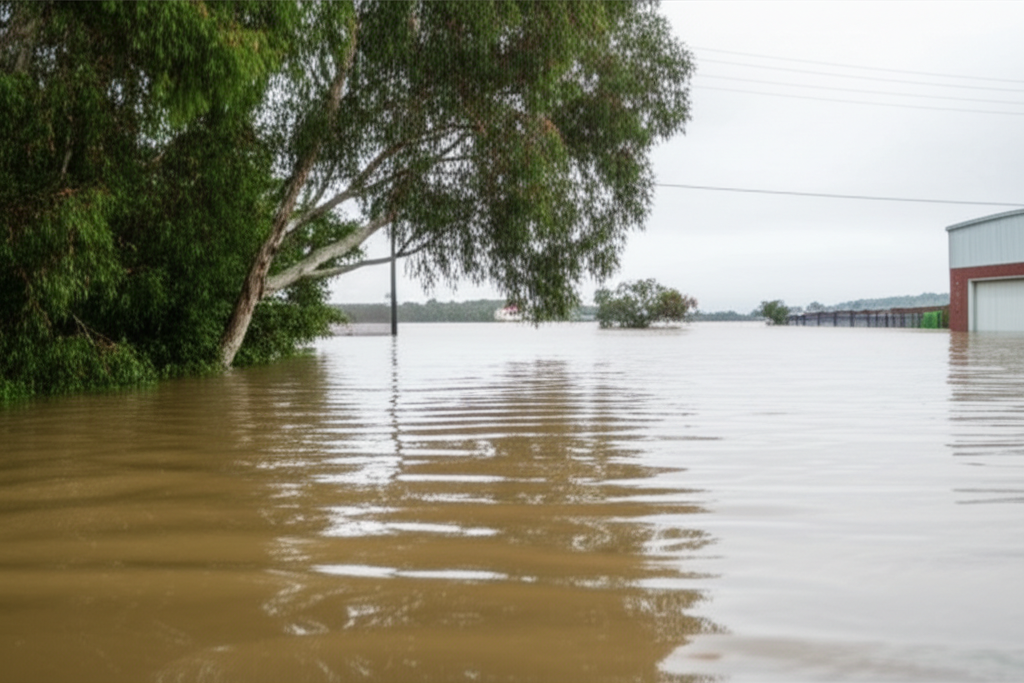
Floods represent a unique and often more severe challenge than other forms of water damage. In Australia, a country prone to extreme weather events, flood restoration Australia and flood damage repair Australia are services that many communities unfortunately require. Floodwaters are almost always classified as Category 3 (black water) due to contaminants from overflowing rivers, storm drains, and sewage systems. This introduces heightened health risks and complicates the restoration process significantly.
The scope of flood damage is also typically far more extensive, affecting multiple properties, infrastructure, and often leaving behind silt, debris, and widespread saturation. Specialized expertise and equipment are paramount for effective flood restoration:
Advanced Contamination Protocols: Professionals follow strict health and safety guidelines when dealing with floodwaters, using personal protective equipment (PPE) and implementing rigorous decontamination procedures to protect both workers and property occupants.
Heavy-Duty Extraction and Drying: Flood events often involve vast quantities of water, requiring powerful submersible pumps and industrial-scale drying equipment capable of handling large areas and deeply saturated materials.
Structural Drying Challenges: Floodwaters can penetrate deep into building structures, including foundations and wall cavities. Specialist knowledge is required to properly dry these areas to prevent long-term issues like dry rot, structural instability, and persistent mould.
Debris Removal and Waste Management: Flood damage often leaves behind significant amounts of mud, silt, and damaged debris that must be safely removed and disposed of according to environmental regulations.
Mould and Pathogen Remediation: Given the high contamination level, comprehensive mould remediation and sanitisation are non-negotiable for flood-affected properties to ensure a safe living or working environment.
The emotional and financial toll of floods can be immense. Engaging professional flood damage repair services not only ensures the physical restoration of your property but also provides peace of mind, knowing that the complex and dangerous aspects of the cleanup are handled by experts.
Why Choose Professional Flood Damage Repair?
Expertise in Contaminated Water: Professionals have the training and equipment to safely handle and dispose of black water, protecting your health.
Specialised Drying Techniques: They employ scientific drying principles and advanced equipment to ensure thorough drying, preventing hidden moisture and future problems.
Mould Remediation: Certified technicians know how to identify, contain, and remove mould safely and effectively.
Structural Integrity Assessment: Experts can assess the structural damage caused by floodwaters and recommend appropriate repairs.
Insurance Claim Assistance: Many restoration companies assist with documentation and communication with insurance providers, easing the claims process.
Finding "Water Damage Restoration Near Me" Across Australia
Australia is a vast continent, and when disaster strikes, the immediate thought is often "How do I find 'water damage restoration near me' that can respond quickly?" While local businesses are vital, the sheer scale of the country and the varying intensity of weather events mean that a robust, national network is often the most reliable solution. A national restoration network combines the best of both worlds: the rapid response and local knowledge of regional teams with the consistent quality, extensive resources, and established protocols of a nationwide organisation.
The benefits of choosing a network like the National Restoration Network are significant:
Rapid, Local Response: Despite being a national entity, a network comprises local teams strategically positioned across Australia. This ensures that when you call, a certified team can be dispatched quickly to your location, minimising response times and mitigating further damage.
Consistent Quality and Standards: All teams within a national network adhere to strict industry standards and training protocols. This means you receive the same high level of professional service, advanced equipment, and expertise, whether you're in a major city or a regional town.
Access to Extensive Resources: A national network has access to a broader range of specialized equipment, personnel, and knowledge. In the event of large-scale disasters, resources can be mobilised from unaffected areas to assist overwhelmed local teams.
Comprehensive Service Offering: From initial assessment and water extraction to mould remediation, structural drying, and complete reconstruction, a national network offers a full spectrum of services, meaning you don't have to juggle multiple contractors.
Insurance Company Relationships: Established national networks often have existing relationships and preferred provider status with major insurance companies, which can significantly streamline the claims process for you.
The National Restoration Network Advantage
The National Restoration Network embodies these advantages, offering:
Certified Technicians: All professionals are highly trained and certified in water damage and flood restoration techniques.
State-of-the-Art Equipment: Utilising the latest in moisture detection, extraction, drying, and sanitisation technology.
24/7 Emergency Service: Ready to respond to your crisis at any time, day or night.
Insurance Liaison: Expert assistance with navigating your insurance claim, providing detailed documentation and communication.
Commitment to Excellence: A dedication to restoring your property efficiently, effectively, and with the highest standards of safety and quality.
The Long-Term Benefits of Professional Water Damage Restoration
Investing in professional water damage and flood restoration goes far beyond simply drying out a wet area. It provides crucial long-term benefits that protect your property, your health, and your financial well-being:
Preventing Secondary Damage: The most immediate benefit is preventing issues like mould growth, structural rot, and electrical hazards that can arise from inadequate drying. Professionals ensure all hidden moisture is removed.
Preserving Property Value: Untreated water damage can leave lasting odours, stains, and structural weaknesses that significantly diminish your property's market value. Professional restoration ensures these issues are addressed comprehensively.
Minimising Health Risks: Especially with grey or black water, professional sanitisation and mould remediation are critical for eliminating harmful bacteria, viruses, and allergens, creating a safe indoor environment.
Reducing Overall Costs: While professional services have an upfront cost, they often save property owners substantial amounts in the long run by preventing more extensive and expensive repairs that would be necessary if the initial damage was not properly addressed.
Peace of Mind: Knowing that certified experts have handled the restoration process thoroughly and correctly provides invaluable peace of mind, allowing you to focus on getting your life or business back on track.
Conclusion
Water damage and floods are among the most destructive events a property owner can face. The complexities involved, from identifying water categories and preventing mould to structural drying and comprehensive repair, underscore the critical importance of professional intervention. Delaying action or attempting DIY solutions can lead to far greater problems, escalating costs, and posing significant health risks.
For reliable, efficient, and comprehensive water damage restoration Australia-wide, turning to a trusted national network is your best course of action. Whether you're dealing with an urgent burst pipe, a significant flood, or any other form of water intrusion, the National Restoration Network is equipped with the expertise, technology, and local presence to respond quickly and effectively. Protect your property, your health, and your investment by choosing certified professionals who understand the science of drying and the art of restoration. Don't let water damage define your property's future; act fast and choose expert care.