
Expert Water and Flood Damage Restoration Across Australia for Emergency Recovery
- By, National Restoration Network
- 11 Apr, 2026
Expert Water and Flood Damage Restoration Across Australia for Emergency Recovery
Few property disasters strike with the swift, devastating impact of water damage. Whether it's a burst pipe, an overflowing appliance, or the widespread destruction brought by severe weather, the aftermath can be overwhelming. In Australia, a continent prone to both droughts and intense rainfall events, understanding the critical importance of prompt and professional water damage restoration is essential for homeowners and businesses alike. Ignoring even seemingly minor water intrusion can lead to far greater problems, including structural compromise, hazardous mould growth, and significant financial loss. This comprehensive guide explores why immediate action is paramount, the types of water damage services available, and how professional teams provide crucial support during these challenging times.
Understanding the Urgency of Emergency Water Damage Restoration
When water infiltrates your property, time is of the essence. Every hour that passes increases the potential for irreversible damage and escalates restoration costs. This is why the concept of emergency water damage restoration is not merely a convenience but a necessity. From the moment water is detected, it begins to seep into porous materials like drywall, timber, and insulation, weakening structures and creating an ideal breeding ground for bacteria and mould.
Why Immediate Action Matters for Your Property and Health
The immediate aftermath of water intrusion demands a rapid response to mitigate long-term consequences. Firstly, standing water can quickly compromise electrical systems, posing severe electrocution risks. Secondly, prolonged moisture exposure leads to structural degradation; wooden beams can warp, floors can buckle, and foundations can weaken, jeopardising the integrity of the entire building. Thirdly, and perhaps most critically for health, mould spores can germinate within 24-48 hours in damp conditions. Mould not only causes unpleasant odours and unsightly stains but can also trigger allergic reactions, respiratory issues, and other health problems, making a property unsafe for occupancy. Professional emergency services are equipped to quickly assess the situation, secure the area, and begin the extraction and drying process, preventing these secondary damages and safeguarding both your property and the health of its occupants.
Comprehensive Water Damage Restoration Across Australia
Australia's vast and diverse landscape means that water damage can occur in countless forms, from localised plumbing failures in urban centres to widespread flooding in regional areas. This necessitates a robust and accessible network of restoration professionals capable of responding to any scale of disaster.
Finding Reliable Water Damage Restoration Near Me
When disaster strikes, the immediate thought often turns to "Who can provide water damage restoration near me?" While local presence is certainly valuable, what truly matters is access to a reliable, experienced, and well-equipped team that can respond quickly, regardless of your specific location. A national network of restoration experts ensures that whether you're in a bustling city or a remote town, professional help is just a call away. These teams understand the local environmental factors and building codes, providing tailored solutions that address the unique challenges of your area, backed by the resources of a larger organisation.
The Scope of Water Damage Restoration Australia
Comprehensive water damage restoration in Australia involves a multi-stage process designed to return your property to its pre-damage condition. This typically begins with a thorough assessment to determine the category and class of water damage, identifying all affected areas and potential hazards. Following this, powerful industrial-grade pumps and extractors are used for rapid water removal. Crucially, the drying process involves specialised equipment like dehumidifiers and air movers to eliminate hidden moisture from structural elements and contents, preventing mould and mildew growth. Cleaning, sanitisation, and odour removal follow, ensuring a safe and hygienic environment. Finally, the restoration phase addresses any structural repairs, material replacement, and aesthetic finishes needed to restore the property completely. For detailed information on these vital services, you can explore the comprehensive solutions offered for water damage restoration Australia.
Specialised Restoration Services for Australian Conditions
Australia's climate presents unique challenges, making certain types of water damage particularly prevalent and demanding specialised expertise.
Tackling Flood Restoration Australia's Unique Challenges
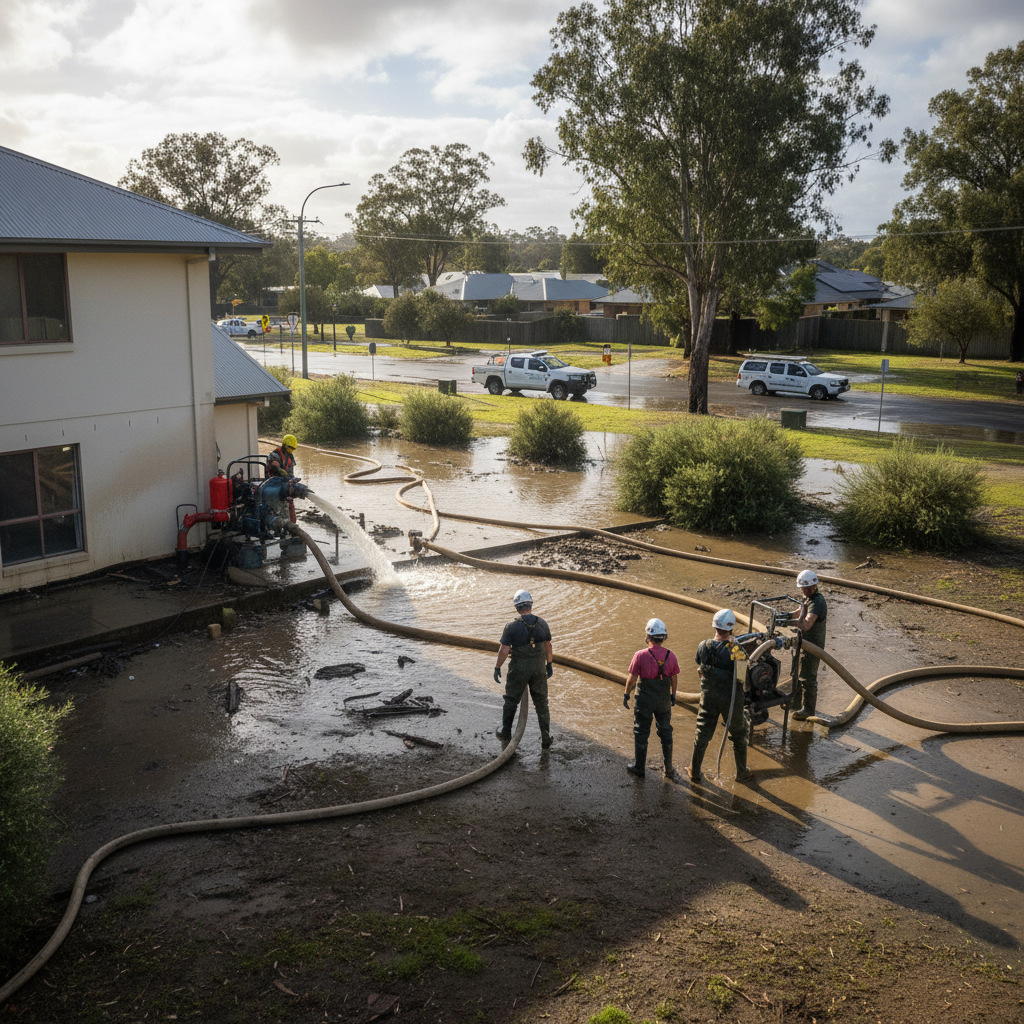
Australia is no stranger to floods, from flash floods caused by intense downpours to riverine flooding impacting vast regions. Flood restoration in Australia requires a highly coordinated and rapid response. Floodwaters often contain contaminants, categorising them as 'black water', which poses significant health risks. Professionals in flood restoration are trained to handle biohazards, employing advanced decontamination and sanitisation protocols alongside extensive water extraction and drying. They understand the logistical challenges of large-scale events, often working with emergency services and local communities to expedite recovery efforts and prevent long-term damage to infrastructure and properties.
Navigating Storm Damage Restoration Australia
Australia experiences a wide array of severe weather events, including tropical cyclones, hailstorms, and intense rain bombs, all of which can lead to significant storm damage. Storm damage restoration Australia often involves a complex interplay of water damage, structural compromise from high winds, and debris removal. Roofs can be torn off, windows shattered, and entire sections of buildings exposed to the elements. Restoration teams specialising in storm damage are equipped to handle these multifaceted challenges, providing emergency board-ups and tarping to prevent further damage, followed by comprehensive water removal, structural drying, and reconstruction services. For more information on how experts handle the aftermath of severe weather, visit the dedicated page on storm damage restoration Australia.
The Professional Restoration Process Explained
Understanding the steps involved in professional water damage restoration can provide peace of mind and highlight the value of expert intervention.
Initial Assessment and Safety First
Every restoration project begins with a detailed assessment. Technicians inspect the affected areas, identify the source of water, categorise the type of water (clean, grey, or black), and evaluate the extent of damage to materials and structures. Safety is paramount; professionals will identify and address potential hazards like electrical risks, contaminated water, and structural instability before proceeding with any work.
Advanced Water Extraction and Drying Techniques
Once the initial assessment is complete and the site is safe, powerful pumps and vacuum extractors are deployed to remove standing water quickly. Following extraction, the focus shifts to thorough drying. Industrial-grade dehumidifiers, air movers, and specialised drying equipment are strategically placed to target hidden moisture in walls, floors, and cavities. Monitoring moisture levels with advanced sensors ensures complete drying, preventing secondary issues like mould growth and structural rot.
Mould Remediation and Sanitisation
If mould is present or detected during the drying process, comprehensive mould remediation protocols are initiated. This involves isolating affected areas, removing contaminated materials, and thoroughly cleaning and sanitising surfaces with antimicrobial treatments. Odour removal is also an integral part of this stage, ensuring the property is not only visually clean but also free from lingering damp or musty smells.
Structural Repairs and Content Restoration
The final phase of the restoration process is to repair and rebuild. This can range from minor repairs like replacing drywall and flooring to major structural reconstruction. Contents that were salvageable are cleaned, dried, and restored. Throughout the entire process, professional restoration companies often work closely with insurance providers, assisting property owners with documentation and claims processing to ensure a smooth and efficient recovery.
Why Choose a Trusted Partner for Your Restoration Needs
Dealing with water damage is a stressful experience, but partnering with a reputable and experienced restoration company can significantly ease the burden. A trusted provider offers more than just equipment; they bring expertise, efficiency, and empathy to every job. They have certified technicians who understand the science of drying and remediation, ensuring that all work is performed to the highest industry standards. Their 24/7 availability means help is always on hand, crucial for emergency situations where every minute counts. Furthermore, a reliable network, such as the National Restoration Network, often has established relationships with insurance companies, streamlining the claims process and reducing stress for property owners.
Water damage, in any form, demands immediate and professional attention. From a localised leak requiring emergency water damage restoration near me to widespread flood restoration across Australia, or the complex aftermath of storm damage, the right expertise makes all the difference. Choosing a skilled and responsive team ensures that your property is not only dried and cleaned but truly restored, safeguarding your investment and your peace of mind. For comprehensive, expert solutions across the country, turn to a trusted network of professionals. Learn more about how the National Restoration Network can assist you with your restoration needs.