
Expert Water Damage and Mould Restoration Services Across Australia
- By, National Restoration Network
- 08 Apr, 2026
Expert Water Damage and Mould Restoration Services Across Australia
Experiencing water damage in your home or business can be an incredibly stressful and disruptive event. Whether it's a burst pipe, an overflowing appliance, a severe storm, or a devastating flood, the aftermath requires immediate and professional attention. Beyond the visible destruction, hidden moisture can lead to serious structural issues and the rapid growth of mould, posing significant health risks and further property damage. When disaster strikes, knowing where to turn for reliable, swift, and comprehensive water damage restoration Australia wide is paramount. This guide explores the critical aspects of professional water damage and mould remediation, highlighting why immediate action and expert intervention are essential for protecting your property and wellbeing.
The Urgency of Emergency Water Damage Restoration
When water infiltrates your property, time is of the essence. Every hour that passes increases the potential for irreversible damage and escalates restoration costs. This is why National Restoration Network emphasises the crucial role of emergency water damage restoration services. Within the first 24-48 hours, water can seep into building materials, weakening structures, damaging electrical systems, and creating a breeding ground for bacteria and mould. Immediate water extraction, drying, and sanitisation are vital to mitigate these risks.
Delaying professional intervention can lead to a cascade of problems. Wood can warp, plasterboard can crumble, and metal can corrode. Electrical hazards become a significant concern, and the potential for widespread mould growth skyrockles. An emergency response team is equipped to arrive quickly, assess the damage, and begin the restoration process immediately, preventing secondary damage and safeguarding your property's integrity and your family's health.
Finding Reliable Water Damage Restoration Near Me
In a crisis, the ability to find "water damage restoration near me" quickly is often the first thought for property owners. While local availability is important, it's equally crucial to ensure that the service provider offers a nationwide standard of excellence. A truly effective restoration service combines the speed of local response with the resources and expertise of a larger, established network. This ensures that no matter where you are in Australia, you have access to top-tier professionals who understand the unique environmental challenges of the region.
Choosing a reputable company means partnering with experts who are not only geographically accessible but also possess the certifications, equipment, and experience to handle any scale of water damage. They should be able to provide a rapid assessment, transparent communication, and a clear plan of action. This peace of mind is invaluable during an already stressful time, ensuring that your property is in capable hands from the moment they arrive.
Comprehensive Water Damage Restoration in Australia
Effective water damage restoration Australia wide involves more than just drying out a wet area. It's a multi-stage process that requires precision, advanced technology, and a deep understanding of building science. The goal is to restore the property to its pre-damage condition, making it safe, dry, and healthy once again. Here’s a closer look at the key steps involved:
Initial Assessment and Water Extraction
The first step is always a thorough inspection to determine the source of the water, the extent of the damage, and the category of water involved (clean, grey, or black water). Following this, powerful pumps and vacuums are used to remove standing water quickly. This is critical for preventing further absorption into materials.
Drying and Dehumidification
Once visible water is removed, hidden moisture within walls, floors, and structural elements must be addressed. Professional restoration teams utilise industrial-grade air movers, dehumidifiers, and thermal imaging cameras to ensure complete drying. This step is crucial for preventing mould growth and structural damage that might not be immediately apparent.
Cleaning, Sanitising, and Deodorising
All affected areas and contents are thoroughly cleaned, sanitised, and deodorised. This is particularly important for grey and black water incidents, which can carry contaminants and pose health risks. Specialised cleaning agents and techniques are used to eliminate bacteria, viruses, and unpleasant odours, restoring hygiene and freshness to the property.
Repairs and Restoration
The final stage involves repairing or replacing damaged structural elements and contents. This can range from minor repairs to extensive reconstruction, depending on the severity of the water damage. A full-service restoration company manages this entire process, ensuring a seamless transition from mitigation to complete restoration.
Tackling Flood Restoration in Australia's Unique Climate
Australia’s diverse climate, from tropical north to arid interior, makes flood restoration a particularly challenging and frequent need. Cyclones, severe thunderstorms, and heavy rainfall can lead to widespread flooding, inundating homes and businesses with large volumes of water. National Restoration Network is well-versed in the specific demands of flood restoration Australia faces. Floodwaters often contain a mix of contaminants, including sewage, chemicals, and debris, classifying them as black water and requiring highly specialised and rigorous cleaning protocols.
Flood restoration involves not only the removal of water and drying of structures but also extensive decontamination and sanitisation to eradicate pathogens and prevent long-term health hazards. This process requires powerful equipment, trained personnel, and strict adherence to health and safety guidelines to ensure the property is not only dry but also safe for reoccupation. The sheer volume of water and the potential for deep saturation mean that standard drying techniques may not suffice, necessitating advanced methods and careful monitoring.
The Critical Role of Mould Remediation in Australia
One of the most insidious consequences of water damage, especially in Australia's humid environments, is the rapid growth of mould. Mould thrives in damp, dark conditions and can start to grow within 24-48 hours of water exposure. Beyond its unsightly appearance and musty odour, mould poses significant health risks, including respiratory issues, allergies, asthma attacks, and other adverse health effects, particularly for vulnerable individuals.
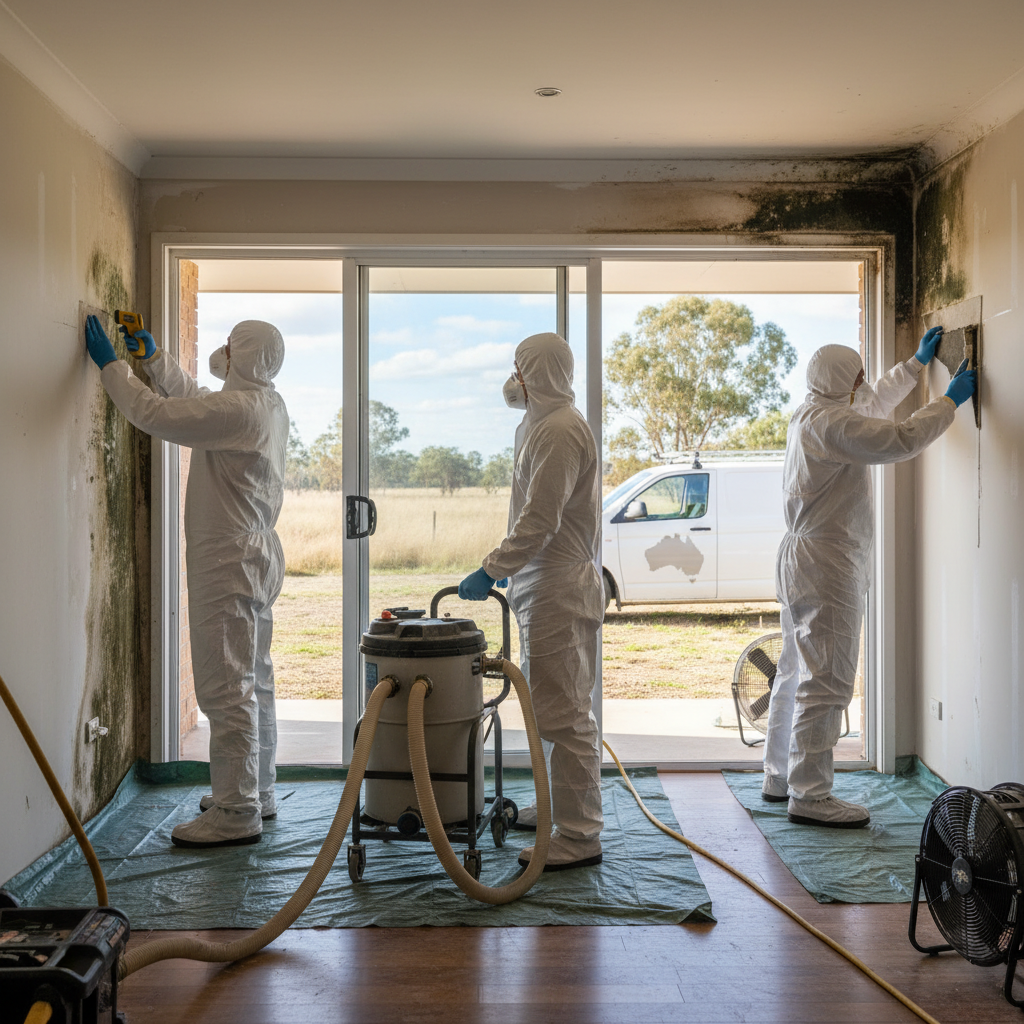
Professional mould remediation Australia wide is not merely about cleaning visible mould. It involves identifying and addressing the moisture source, containing the affected area to prevent spore spread, safely removing mould-infested materials, and thoroughly cleaning and sanitising the environment. DIY mould removal is often ineffective and can inadvertently spread spores, worsening the problem. Professional remediators use specialised equipment, such as HEPA vacuums and air scrubbers, and follow strict industry standards to ensure complete mould eradication and prevent recurrence.
Preventing mould after water damage is far easier and less costly than remediating an established infestation. This underscores the importance of swift water damage restoration to dry out properties completely and prevent the conditions mould needs to flourish. If mould is suspected, immediate professional assessment is crucial to protect both property and health.
Why Choose Professional Restoration Services
Engaging professional water damage and mould remediation experts offers numerous benefits that extend far beyond what a DIY approach can achieve. Professionals bring:
- Expertise and Experience: They have the knowledge to accurately assess damage, identify hidden moisture, and implement the most effective restoration strategies.
- Advanced Equipment: Access to industrial-grade water extraction, drying, dehumidification, and air purification equipment that homeowners typically do not possess.
- Safety Protocols: Adherence to strict safety guidelines to protect occupants from electrical hazards, contaminated water, and mould exposure.
- Preventive Measures: Strategies to prevent secondary damage, such as mould growth and structural weakening, saving you money in the long run.
- Insurance Liaison: Many professional restoration companies assist with insurance claims, documenting the damage and communicating directly with your insurer to streamline the process.
- Peace of Mind: Knowing that trained and certified professionals are handling a complex and critical situation allows you to focus on other priorities.
Conclusion
Water damage, whether from a burst pipe, storm, or flood, demands immediate and expert attention. The integrity of your property and the health of its occupants depend on a swift and thorough response. From emergency water extraction to comprehensive drying, sanitisation, and mould remediation Australia, choosing a trusted professional service ensures that your property is restored safely and effectively. Don't let water damage escalate into a larger problem. For reliable and efficient water damage restoration Australia wide, including critical flood and mould solutions, consider partnering with a leading network like the National Restoration Network to safeguard your investment and restore your peace of mind.