
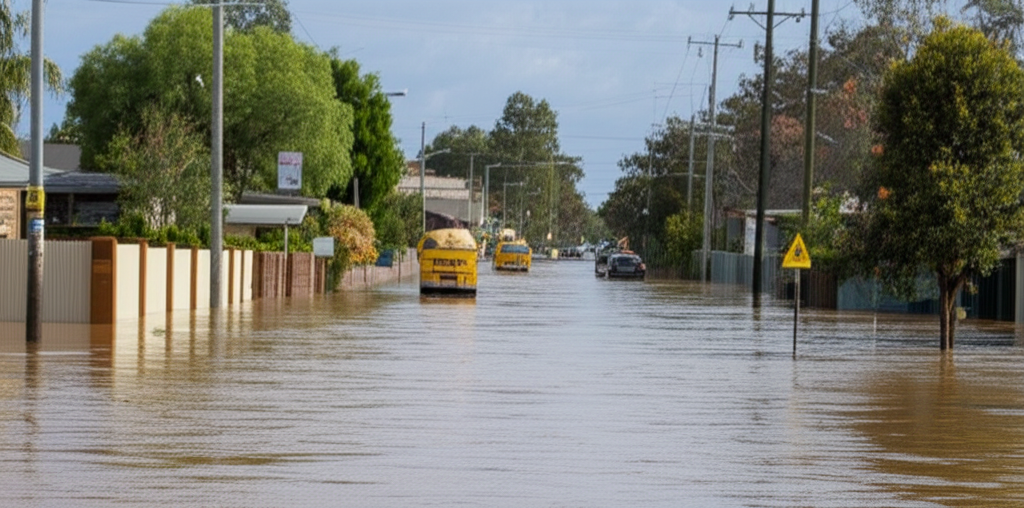
Expert Water Damage Restoration Across Australia
- By, National Restoration Network
- 05 Mar, 2026
Expert Water Damage Restoration Across Australia
Water damage can strike unexpectedly, turning a peaceful home or thriving business into a stressful disaster zone. Whether it's the aftermath of a severe storm, an unforeseen flood, or a burst pipe, the impact can be devastating, leading to structural damage, mould growth, and significant financial loss if not addressed promptly and professionally. In a country like Australia, prone to diverse weather patterns, including heavy rainfall and cyclones, the need for reliable and swift water damage restoration Australia services is paramount. This comprehensive guide will explore the critical aspects of water damage, the urgency of immediate intervention, and how expert services like those offered by the National Restoration Network provide essential relief and recovery.
Understanding the Threat of Water Damage
Water damage is more than just wet carpets and soggy walls; it's a complex issue with far-reaching consequences. From compromising the structural integrity of a building to posing significant health risks, the insidious nature of water means it can penetrate deep into materials, causing hidden problems that worsen over time. Recognising the different types of water damage and their sources is the first step towards effective remediation.
Types of Water Damage and Their Risks
Water damage is typically categorised into three main types based on its source and level of contamination:
- Clean Water: Originating from a sanitary source, such as a burst water pipe, overflowing sink, or appliance malfunction (e.g., washing machine, dishwasher). While initially posing minimal health risks, clean water can quickly degrade into grey or black water if not addressed within 24-48 hours, especially if it comes into contact with contaminated surfaces or materials.
- Grey Water: This water category contains a significant level of chemical, biological, or physical contaminants. Sources include overflowing toilets with urine (but no faeces), discharge from washing machines or dishwashers, and sump pump failures. Grey water can cause illness if ingested or if prolonged contact occurs. Professional handling is crucial to prevent health hazards.
- Black Water: Grossly contaminated, black water contains pathogenic agents and is highly unsanitary. It originates from sewage backups, floodwaters from rivers or oceans, or any water that has been in contact with sewage or toxic substances. Black water poses severe health risks and requires immediate, specialised handling by trained professionals using appropriate personal protective equipment (PPE).
Common Causes of Water Damage in Australia
Australia's unique climate and infrastructure present various challenges that lead to water damage:
- Natural Disasters: Heavy rainfall, tropical cyclones, and flash floods are common occurrences, particularly in coastal and northern regions. These events can lead to widespread flood restoration Australia needs, overwhelming drainage systems and causing rivers to burst their banks.
- Storm Damage: Beyond floods, severe storms bring high winds that can damage roofs and structures, allowing rainwater to penetrate properties. Hailstorms can also cause significant damage, leading to leaks and subsequent water intrusion. This necessitates specific storm damage restoration Australia expertise.
- Plumbing Failures: Burst pipes, leaking hot water systems, overflowing toilets, and appliance malfunctions are frequent culprits, causing significant internal water damage. Ageing infrastructure and lack of maintenance can exacerbate these issues.
- Drainage Issues: Clogged gutters, blocked downpipes, and poor exterior grading can direct water towards a building's foundation, leading to seepage into basements or crawl spaces.
The Urgency of Emergency Water Damage Restoration
When water damage occurs, time is of the essence. The longer water sits, the greater the potential for irreversible damage and increased restoration costs. This is where emergency water damage restoration services become invaluable.
Why Immediate Action is Crucial
The first 24-48 hours after water intrusion are critical. During this period:
- Mould Growth: Mould can begin to grow within 24-48 hours in damp conditions, spreading rapidly and posing significant health risks, especially for individuals with allergies or respiratory issues.
- Structural Deterioration: Water can weaken wooden structures, drywall, and insulation, leading to swelling, warping, and eventual collapse. Metal components can corrode, and electrical systems can be compromised, creating safety hazards.
- Property Damage: Furniture, documents, electronics, and personal belongings can be permanently damaged or destroyed. The longer they remain wet, the less likely they are to be salvaged.
- Increased Costs: Delaying restoration can drastically increase the overall cost of repairs, as more extensive damage, mould remediation, and structural work may be required.
The "Near Me" Factor: Local Expertise for Rapid Response
When disaster strikes, you need help fast. Searching for "water damage restoration near me" is often the first step for property owners in distress. Local restoration companies, like the National Restoration Network, offer several advantages:
- Rapid Response: Proximity allows for quicker arrival times, crucial for mitigating damage. Local teams can be on-site within hours, ready to begin the water extraction and drying process.
- Local Knowledge: Companies operating within Australia understand local building codes, environmental factors, and common issues specific to the region. This knowledge is vital for effective and compliant restoration.
- Community Trust: Local businesses often have a vested interest in their community, building trust through reliable service and strong reputations.
Comprehensive Water Damage Restoration Australia Services
Effective water damage restoration is a multi-step process that requires specialised equipment, expertise, and adherence to industry standards. Professional services offered by the National Restoration Network ensure a thorough and systematic approach to recovery.
Step-by-Step Restoration Process
A typical water damage restoration Australia process includes:
- Emergency Contact and Inspection: The process begins with an immediate response. Trained technicians arrive on-site to assess the extent of the damage, identify the water source, categorise the water, and develop a comprehensive restoration plan. This initial assessment is crucial for determining the scope of work and potential risks.
- Water Extraction: High-powered pumps and industrial-grade wet vacuums are used to quickly remove standing water from the property. Efficient water extraction is vital to prevent further saturation and accelerate the drying process.
- Drying and Dehumidification: After water extraction, the area is thoroughly dried using industrial air movers and dehumidifiers. This step targets hidden moisture in walls, floors, and structural elements, preventing secondary damage like mould growth and warping. Moisture meters and thermal imaging cameras are used to ensure all hidden moisture is detected and eliminated.
- Cleaning and Sanitisation: All affected surfaces and salvageable items are cleaned, disinfected, and sanitised to remove contaminants and prevent mould and bacterial growth. Odour removal treatments are also applied to eliminate lingering musty smells.
- Restoration and Repairs: The final stage involves restoring the property to its pre-damage condition. This can range from minor repairs like replacing drywall and flooring to major structural reconstruction. The goal is to make the property safe, habitable, and aesthetically pleasing once again.
Specialised Restoration for Storm and Flood Damage
Australia’s susceptibility to severe weather events means that flood restoration Australia and storm damage restoration Australia are frequently needed services, requiring specific expertise.
Flood Restoration Australia Challenges
Flooding often introduces black water, carrying significant health risks due to pathogens and contaminants. Flood restoration Australia involves:
- Extensive Contamination: Floodwaters can carry sewage, chemicals, and debris, making thorough cleaning and sanitisation paramount. All porous materials often need to be removed and discarded.
- Widespread Damage: Floods typically affect large areas, requiring extensive drying and dehumidification of entire properties, including subfloors and wall cavities.
- Structural Integrity Checks: The force of floodwaters can compromise foundations and structural elements, necessitating detailed structural assessments before restoration begins.
Storm Damage Restoration Australia Expertise
Storms, with their high winds and hail, present a different set of challenges for storm damage restoration Australia:
- Roof and Structural Compromises: Damaged roofs, broken windows, and compromised building envelopes allow water to enter. Emergency tarping and board-up services are often required as a first step to prevent further water intrusion.
- Debris Removal: Storms can leave behind significant debris, which must be safely removed before restoration can commence.
- Insurance Claims Assistance: Dealing with insurance companies after storm damage can be complex. Reputable restoration companies often assist property owners with documentation and claims processing.
Choosing the Right Restoration Partner
When facing water damage, selecting a qualified and trustworthy restoration company is crucial for a successful recovery. The National Restoration Network exemplifies the qualities to look for in a restoration partner.
Key Factors to Consider
- Experience and Expertise: Ensure the company has a proven track record in handling various types of water damage, from minor leaks to major floods. Look for certifications from industry bodies like the Institute of Inspection, Cleaning and Restoration Certification (IICRC).
- Availability and Response Time: Water damage is an emergency. Choose a company that offers 24/7 emergency services and guarantees a rapid response time to mitigate damage effectively.
- Comprehensive Services: A full-service restoration company can handle every aspect of the job, from water extraction and drying to mould remediation and structural repairs, simplifying the process for the property owner.
- Advanced Equipment: Professional restoration requires state-of-the-art equipment, including industrial dehumidifiers, air movers, moisture meters, and thermal imaging cameras, to ensure thorough drying and detection of hidden moisture.
- Insurance Knowledge: A reputable company will be familiar with insurance claims processes and can assist you in navigating the paperwork and communication with your insurer.
- Local Reputation: Check reviews and testimonials. A strong local reputation is a good indicator of reliable and high-quality service.
Conclusion
Water damage is a formidable challenge for any property owner in Australia, but it doesn't have to be a permanent disaster. With prompt action and the expertise of professional water damage restoration Australia services, your property can be returned to its pre-damage condition. Whether you're dealing with the aftermath of a burst pipe, the extensive devastation of a flood, or the specific requirements of storm damage restoration Australia, timely and professional intervention is your best defence.
Don't wait for the damage to worsen. If you find yourself searching for "water damage restoration near me" in an emergency, remember that the National Restoration Network stands ready to provide swift, comprehensive, and expert services across Australia. Their commitment to rapid response, advanced techniques, and customer satisfaction ensures peace of mind during a stressful time. Contact a trusted professional today to protect your property and ensure a complete recovery.