
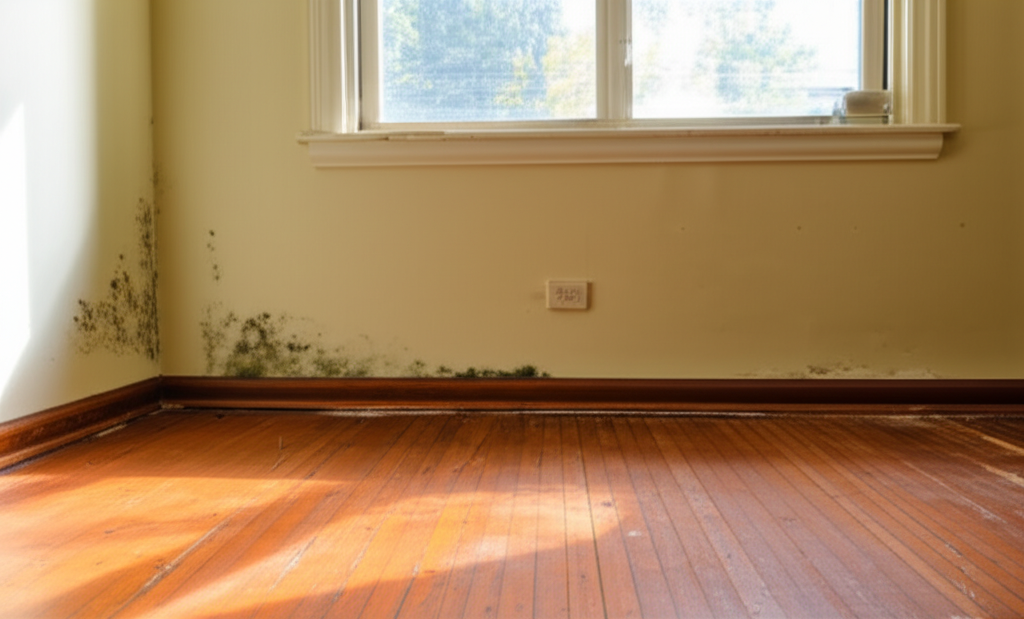
Expert Water Damage Restoration & Mould Remediation Australia
- By, National Restoration Network
- 09 Mar, 2026
Expert Water Damage Restoration & Mould Remediation Australia
Few things are as disruptive and devastating to a home or business as unexpected water damage. Whether it's a minor leak that goes unnoticed, a burst pipe, a severe storm, or a full-blown flood, the consequences can be far-reaching, impacting structural integrity, personal belongings, and even the health of occupants. When disaster strikes, the immediate need for professional intervention becomes paramount. This is where expert water damage restoration Australia services become your most critical ally. For those searching for "water damage restoration near me," understanding the comprehensive solutions available is the first step towards recovery. From urgent water extraction to intricate repairs and crucial mould prevention, the right team can turn a crisis into a manageable restoration project.
The Urgent Need for Water Damage Restoration Near Me
When your property experiences water intrusion, time is absolutely of the essence. The longer water sits, the more extensive the damage becomes. Materials like drywall, timber, and insulation absorb water, leading to swelling, warping, and deterioration. Furthermore, a damp environment is the perfect breeding ground for mould, which can begin to grow within 24-48 hours. This is why the search for "water damage restoration near me" isn't just about convenience; it's about securing a rapid response that can significantly mitigate further damage and reduce overall restoration costs.
A local restoration service understands the unique challenges and building codes specific to your area. They can mobilise quickly, arriving on-site with the necessary equipment and expertise to assess the situation, contain the damage, and begin the extraction and drying process immediately. This swift action is the cornerstone of effective emergency water damage restoration, preventing secondary damage like structural decay and mould growth before they take hold.
Understanding Emergency Water Damage Restoration
Emergency water damage restoration encompasses a series of critical steps designed to address the immediate aftermath of water intrusion and prevent long-term issues. It's a highly specialised field that requires trained professionals, advanced equipment, and a methodical approach. The process typically begins with a rapid assessment to identify the source of the water, its category (clean, grey, or black water), and the extent of the contamination and damage.
Following the assessment, the priority shifts to immediate water extraction. Powerful pumps and vacuums are used to remove standing water quickly from carpets, floors, and other surfaces. This step is crucial for preventing further saturation and kick-starting the drying process. Once the bulk of the water is removed, industrial-grade dehumidifiers and air movers are deployed to thoroughly dry the affected areas, reducing humidity levels and preventing mould growth.
Throughout this emergency phase, safety is paramount. Professionals are equipped to handle electrical hazards, contaminated water, and potential structural instabilities, ensuring the well-being of occupants and workers alike. Choosing an experienced provider for your National Restoration Network needs means entrusting your property to experts who can navigate these complex and often hazardous situations efficiently and safely.
The Comprehensive Water Damage Restoration Process
Effective water damage restoration is a multi-stage process designed to return your property to its pre-damage condition, often better. The team at National Restoration Network follows a proven methodology to ensure thorough and lasting results:
Initial Assessment and Damage Categorisation
Upon arrival, certified technicians conduct a thorough inspection using advanced moisture detection equipment to pinpoint all affected areas, even those not visible to the naked eye. Water is categorised based on its source and potential contaminants, guiding the appropriate restoration approach. This initial assessment is crucial for developing a tailored restoration plan.
Water Extraction and Removal
Utilising powerful, truck-mounted and portable extraction units, all standing water is quickly removed from the premises. This step not only prevents further saturation but also significantly speeds up the drying process, reducing the risk of mould and bacterial growth.
Drying and Dehumidification
After extraction, specialised drying equipment, including high-speed air movers and industrial-grade dehumidifiers, is strategically placed to thoroughly dry the structure and its contents. This phase targets moisture embedded in materials like drywall, timber, and subflooring, preventing warping, swelling, and secondary damage.
Cleaning, Sanitisation, and Deodorisation
All salvageable items and affected areas are cleaned, sanitised, and deodorised. This is particularly important for areas affected by contaminated water (grey or black water) to eliminate bacteria, viruses, and unpleasant odours, ensuring a healthy and safe environment.
Monitoring and Verification
Throughout the drying process, technicians continuously monitor moisture levels using advanced meters and thermal imaging cameras. This ensures that all materials are dried to industry standards, preventing future issues. Documentation is provided to verify the successful completion of the drying process.
Restoration and Repairs
The final stage involves restoring your property to its pre-loss condition. This can range from minor repairs like carpet re-installation and repainting to more extensive structural repairs, depending on the extent of the damage. For comprehensive water damage restoration Australia, a full-service provider can manage this entire process, ensuring a seamless return to normalcy.
Flood Restoration Australia: Tackling Major Disasters
Australia is no stranger to extreme weather events, and floods are a recurring and often devastating challenge for many communities. Unlike a burst pipe, floodwaters can introduce a host of contaminants, including sewage, chemicals, and hazardous debris, making flood restoration Australia a highly complex and critical task. The sheer volume of water and the widespread damage often require a more intensive and specialised approach.
When facing flood damage, the first priority is often to ensure the safety of occupants and prevent further structural compromise. Flood restoration experts are trained to handle Category 3 water (black water), which is highly unsanitary and poses significant health risks. This requires stringent safety protocols, personal protective equipment, and advanced sanitisation techniques to thoroughly decontaminate affected areas.
The process for flood restoration often includes more aggressive demolition of unsalvageable materials, extensive cleaning and sanitisation, and a prolonged drying period to ensure all moisture is eradicated from deep within the structure. Furthermore, dealing with insurance claims for flood damage can be complex, and a reputable restoration company can often assist in documenting the damage and liaising with adjusters to streamline the process for property owners.
The Menace of Mould: Mould Remediation Australia
One of the most insidious consequences of water damage, especially if left unaddressed, is the growth of mould. Mould thrives in damp, dark environments and can begin to colonise surfaces within 24-48 hours of water intrusion. Beyond its unsightly appearance and musty odour, mould poses significant health risks, potentially triggering allergies, asthma attacks, respiratory issues, and other adverse health effects, particularly for sensitive individuals.
Effective mould remediation Australia is not a DIY task. Attempting to clean mould yourself without proper training and equipment can spread spores throughout your property, exacerbating the problem and increasing health risks. Professional mould remediation involves a systematic approach:
Containment
Affected areas are sealed off using plastic sheeting and negative air pressure machines to prevent mould spores from spreading to unaffected parts of the building.
Air Filtration
High-Efficiency Particulate Air (HEPA) filters and air scrubbers are used to capture airborne mould spores, improving indoor air quality.
Mould Removal
Trained technicians use specialised cleaning agents and techniques to safely remove mould from surfaces. Porous materials that are heavily contaminated often need to be safely removed and disposed of.
Drying and Prevention
Once mould is removed, the area is thoroughly dried to eliminate any remaining moisture. Steps are also taken to identify and address the source of moisture to prevent future mould growth.
Cleaning and Sanitisation
All affected areas and contents are cleaned, disinfected, and deodorised to restore freshness and eliminate residual odours.
Engaging professionals for mould remediation Australia ensures that mould is not just superficially cleaned, but thoroughly removed, and the underlying moisture issue is resolved, protecting both your property and your health.
Why Choose National Restoration Network for Your Restoration Needs
When facing the stress and uncertainty of water damage, flood damage, or mould infestation, you need a partner you can trust. National Restoration Network stands as a beacon of reliability and expertise in the Australian restoration industry. Our commitment to excellence is reflected in our:
- 24/7 Emergency Response: We understand that disasters don't wait for business hours. Our teams are available around the clock to provide immediate emergency water damage restoration services, minimising damage and accelerating recovery.
- Certified and Experienced Technicians: Our professionals are highly trained and certified in the latest restoration techniques and safety protocols, ensuring the highest standards of service.
- Advanced Technology and Equipment: We utilise state-of-the-art equipment for water extraction, drying, dehumidification, and mould remediation, guaranteeing efficient and effective results.
- Comprehensive Services: From initial assessment and water removal to complete structural drying, sanitisation, mould remediation, and final repairs, we offer a full suite of services to handle every aspect of your restoration project.
- Customer-Centric Approach: We prioritise clear communication, transparency, and empathy, guiding you through every step of the restoration process and working closely with your insurance provider.
Conclusion
Water damage, whether from a leak, a storm, or a major flood, can be an overwhelming experience. However, with prompt and professional water damage restoration Australia, recovery is not just possible, but often comprehensive. Delaying action can lead to exponentially greater damage, including severe structural issues and hazardous mould growth. For those searching for "water damage restoration near me," remember that speed, expertise, and the right equipment are crucial.
By choosing a trusted partner like National Restoration Network, you're not just getting a service; you're gaining peace of mind. Our dedicated teams are ready to respond to your call for emergency water damage restoration, tackle complex flood restoration Australia challenges, and expertly handle mould remediation Australia, ensuring your property is restored safely and efficiently. Don't let water damage define your property's future – contact the experts today and take the first step towards a complete and lasting recovery.