
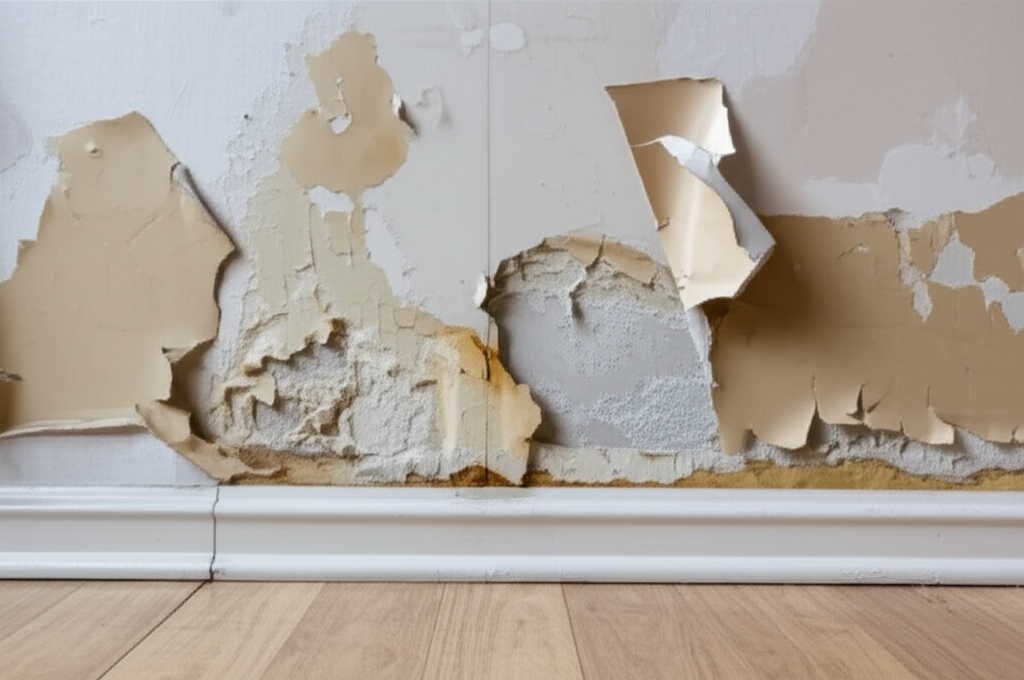
Expert Water Damage Restoration & Mould Remediation Across Australia
- By, National Restoration Network
- 02 Mar, 2026
Expert Water Damage Restoration & Mould Remediation Across Australia
Water damage can strike unexpectedly, turning a peaceful home or productive business into a scene of chaos and potential disaster. Whether it's a burst pipe, an overflowing appliance, a severe storm, or a widespread flood, the impact can be devastating. Beyond the immediate disruption, water intrusion quickly leads to secondary damage, including structural compromise, electrical hazards, and the rapid growth of mould. In Australia, where weather patterns can be unpredictable, from torrential rains to cyclones and flash floods, the need for reliable and prompt water damage restoration services is paramount. Understanding the critical steps involved in emergency water damage restoration and why professional intervention is non-negotiable for both flood restoration and mould remediation is vital for protecting your property and health.
This comprehensive guide will walk you through the complexities of water damage, the urgency of immediate action, the specifics of flood and mould issues in Australia, and how to find expert water damage restoration near me to ensure a thorough and effective recovery process. When disaster strikes, knowing who to call and what to expect can make all the difference in mitigating losses and restoring normalcy.
Understanding Water Damage Restoration in Australia
Water damage isn't a one-size-fits-all problem; its severity and the required remediation steps depend heavily on the source and duration of the water intrusion. Professional water damage restoration aims to mitigate these issues systematically. The process involves far more than just drying out a wet area; it encompasses a scientific approach to ensure all moisture is removed, contamination is addressed, and the property is returned to its pre-damage condition.
The Different Categories of Water Damage
Water damage is typically categorised by the level of contamination, which dictates the safety protocols and cleaning methods required:
- Category 1 (Clean Water): Originates from a sanitary source and poses no threat to health. Examples include burst pipes, overflowing sinks, or appliance malfunctions (e.g., washing machine, refrigerator supply line). While initially clean, it can quickly degrade to Category 2 if not addressed promptly.
- Category 2 (Grey Water): Contains a significant level of chemical, biological, or physical contaminants and can cause discomfort or illness if ingested or contacted. Sources include toilet bowls with urine (no faeces), sump pump failures, or discharge from dishwashers and washing machines.
- Category 3 (Black Water): Grossly contaminated and contains pathogenic agents, making it a severe health risk. This includes sewage, floodwaters from rivers or oceans, and any water that has been standing for an extended period, allowing microbial growth. Direct contact with Category 3 water should be avoided at all costs.
Regardless of the category, prompt action is crucial. Even clean water can lead to significant structural damage and mould growth if left untreated for more than 24-48 hours. This is why when searching for "water damage restoration near me," it’s essential to find a service that understands these distinctions and can respond with appropriate expertise.
The Phases of Professional Water Damage Restoration
A professional water damage restoration service follows a structured approach to ensure comprehensive recovery:
- Emergency Contact & Assessment: The first step is a rapid response to assess the extent of the damage, identify the water source, categorise the water, and develop a detailed restoration plan. This initial evaluation is critical for determining the scope of work and potential hazards.
- Water Extraction: High-powered pumps and industrial-grade wet vacuums are used to remove standing water quickly. This step is vital to prevent further saturation of materials and to speed up the drying process.
- Drying & Dehumidification: After water extraction, the focus shifts to removing residual moisture from porous materials and the air. Industrial air movers, dehumidifiers, and specialised drying equipment are strategically placed to accelerate evaporation and prevent secondary damage like warping, swelling, and mould growth.
- Cleaning & Sanitising: All affected areas and salvageable items are thoroughly cleaned, disinfected, and deodorised. Depending on the water category, this might involve antimicrobial treatments to eliminate bacteria, viruses, and mould spores.
- Restoration & Repairs: This final phase involves repairing or replacing damaged structural elements, flooring, drywall, and other materials to restore the property to its pre-damage condition. This can range from minor repairs to major reconstruction.
The Urgency of Emergency Water Damage Restoration
When water damage occurs, time is of the essence. Every hour that passes increases the likelihood of more severe damage, higher repair costs, and greater health risks. This is where emergency water damage restoration services become invaluable. These services are designed to provide a rapid response, often available 24/7, to mitigate damage immediately after an incident.
Consider a scenario where a pipe bursts in the middle of the night, or a severe storm causes a roof leak. Waiting until business hours to address the problem can lead to extensive saturation of walls, floors, and personal belongings. Within 24-48 hours, standing water can begin to foster mould growth, and structural components like timber can start to warp or rot. Electrical systems can become compromised, posing significant safety hazards.
Emergency restoration teams are equipped to respond quickly, stabilising the situation, stopping the water source, and initiating the extraction and drying process without delay. Their swift action can prevent irreversible damage, save valuable possessions, and significantly reduce the overall cost and complexity of the restoration project.
Flood Restoration Australia: Navigating the Aftermath
Australia is no stranger to floods. From the tropical deluges in the north to the widespread riverine flooding in the south-east, severe weather events often bring devastating water intrusion. Flood restoration in Australia presents unique challenges due to the sheer volume of water, the high likelihood of contamination (Category 3 black water), and the extensive area often affected.
Floodwaters typically carry a cocktail of sewage, chemicals, debris, and microorganisms, rendering everything they touch contaminated. This means that flood restoration goes beyond simple drying; it requires meticulous cleaning, sanitisation, and often the removal of porous materials that cannot be safely salvaged. Structural integrity is a major concern, as foundations, walls, and subflooring can be severely compromised by prolonged saturation.
Specialised water damage restoration Australia services, like those offered by the National Restoration Network, possess the expertise and industrial-grade equipment necessary for comprehensive flood recovery. This includes advanced moisture detection tools, powerful pumps for large-scale water extraction, heavy-duty drying equipment, and effective decontamination solutions. They also understand the unique building codes and environmental considerations relevant to Australian properties.
The Critical Link: Water Damage and Mould Remediation Australia
One of the most insidious and dangerous consequences of water damage, especially if left unaddressed, is the growth of mould. Mould spores are ubiquitous in the environment, but they only thrive in damp conditions. Water-damaged areas provide the perfect breeding ground, allowing mould to proliferate rapidly within 24-48 hours. This is a significant concern for mould remediation Australia.
Health Risks Associated with Mould
Mould is not just unsightly; it poses serious health risks, particularly for vulnerable individuals such as children, the elderly, and those with respiratory conditions or compromised immune systems. Exposure to mould can trigger a range of symptoms, including:
- Allergic reactions: sneezing, runny nose, red eyes, skin rash.
- Respiratory issues: asthma attacks, wheezing, coughing, shortness of breath.
- Irritation: eye, skin, nose, throat irritation.
- More severe health problems: in some cases, certain types of mould can produce mycotoxins that may lead to neurological problems, fatigue, and other chronic illnesses.
Why Professional Mould Remediation is Essential
Attempting to clean significant mould growth yourself is not only ineffective but can also be dangerous. Disturbing mould can release millions of spores into the air, spreading the problem to other areas of the property and increasing exposure risks. Professional mould remediation Australia services are equipped with the knowledge, tools, and safety protocols to handle mould safely and effectively.
The process typically involves:
- Containment: Isolating the affected area to prevent the spread of spores to unaffected parts of the property.
- Air Filtration: Using HEPA air scrubbers and negative air pressure machines to capture airborne mould spores.
- Mould Removal: Physically removing mould from surfaces using specialised cleaning agents and techniques. Porous materials that are heavily contaminated often need to be safely disposed of.
- Drying & Prevention: Ensuring the area is thoroughly dried to prevent future mould growth and addressing the underlying moisture source.
- Post-Remediation Verification: Often, independent testing is conducted to ensure mould levels have returned to normal, healthy parameters.
When to Suspect Mould and What to Do
If you notice a musty odour, see visible signs of mould growth (which can appear as fuzzy, slimy, or discoloured patches), or experience unexplained health symptoms after water damage, it's crucial to suspect mould. Do not attempt to scrub or bleach large areas of mould yourself. Instead, contact a professional remediation service for an assessment and effective removal plan.
Choosing the Right Water Damage Restoration Partner Near You
When faced with water damage, selecting the right restoration company is paramount. You need a team that is not only skilled and equipped but also trustworthy and responsive. Here's what to look for when searching for "water damage restoration near me" or "flood restoration Australia":
- 24/7 Emergency Service: Water damage doesn't adhere to business hours. A company offering round-the-clock emergency response is crucial.
- Certified Technicians: Look for certifications from reputable organisations like the IICRC (Institute of Inspection, Cleaning and Restoration Certification). This ensures technicians are trained in the latest industry standards and best practices.
- Experience and Local Knowledge: An experienced company, especially one familiar with local Australian conditions and building types, will be better equipped to handle diverse challenges.
- Comprehensive Services: Ensure they offer a full suite of services, from water extraction and drying to mould remediation, cleaning, and structural repairs. This avoids the need to hire multiple contractors.
- Advanced Equipment: A professional company invests in industrial-grade equipment for efficient and effective restoration.
- Insurance Assistance: A reputable restorer can often assist with the insurance claims process, making a stressful situation a little easier.
- Transparent Communication: They should provide clear explanations of the damage, the restoration plan, and regular updates throughout the process.
A national network of trusted professionals, like the National Restoration Network, can connect you with certified experts who meet these criteria, ensuring you receive high-quality service regardless of your location in Australia.
Conclusion
Water damage, whether from a sudden emergency, a persistent leak, or widespread flooding, demands immediate and professional attention. The stakes are high, impacting not just your property's structural integrity but also the health of its occupants, especially when mould begins to appear. In Australia, where environmental conditions can exacerbate these challenges, having access to reliable, skilled water damage restoration and mould remediation services is essential.
By understanding the different types of water damage, the critical phases of restoration, and the specific dangers of mould, you can make informed decisions when disaster strikes. Prioritising swift action and engaging certified professionals will minimise damage, reduce costs, and ensure a safe, thorough recovery. Don't wait for the problem to escalate; if you're facing water damage or suspect mould, contact a trusted restoration expert today to protect your property and peace of mind.