
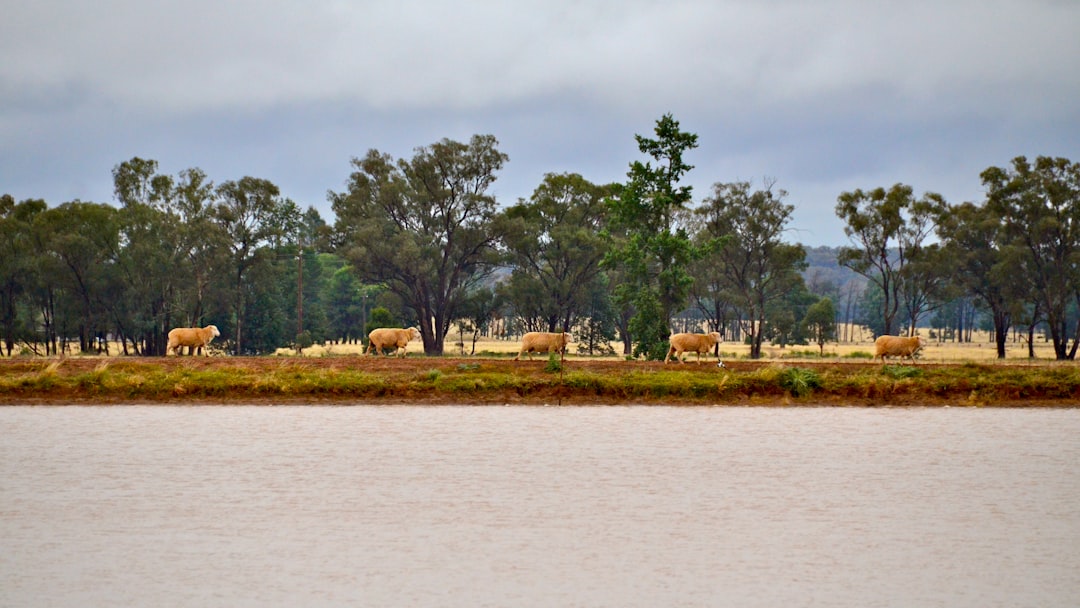
Expert Water Damage & Mould Restoration Across Australia
- By, National Restoration Network
- 19 Mar, 2026
Expert Water Damage & Mould Restoration Across Australia
Australia, a land of stunning natural beauty, is also a continent prone to its fair share of environmental challenges. From torrential rains and devastating floods to burst pipes and unexpected leaks, water damage is a pervasive threat to homes and businesses nationwide. When water infiltrates your property, the clock starts ticking, and the consequences can escalate rapidly from minor inconvenience to severe structural damage and significant health risks, particularly from mould. Understanding the urgency and complexity of these situations is paramount, and knowing where to turn for professional assistance can make all the difference in mitigating loss and restoring peace of mind.
This comprehensive guide delves into the critical aspects of water damage restoration, flood recovery, emergency response, and the vital role of mould remediation across Australia. We'll explore why immediate action is crucial, what professional services entail, and how expert assistance ensures a thorough and safe restoration process. Whether you're dealing with a minor leak or the aftermath of a major flood, the information herein will equip you with the knowledge to protect your property and health.
Understanding the Threat: Water Damage in Australia
Water damage can manifest in numerous forms, each posing unique challenges and requiring specific restoration techniques. Identifying the source and type of water involved is the first critical step in any effective restoration plan.
Types of Water Damage
Not all water is created equal, especially when it comes to property damage and health risks:
Clean Water: Originating from sources like burst pipes, overflowing sinks, or rainwater, clean water poses no immediate health threat but can quickly degrade if left untreated, becoming grey or black water.
Grey Water: This category includes water from washing machine overflows, dishwasher discharges, or showers. It may contain contaminants and can cause illness if ingested. Grey water requires more cautious handling than clean water.
Black Water: The most dangerous category, black water comes from sewage backups, floodwaters, or toilet overflows containing faeces. It is highly contaminated and can contain pathogenic agents, bacteria, and viruses, posing severe health risks. Any materials exposed to black water typically require disposal.
Common Causes in Australia
Australia's unique climate and diverse infrastructure contribute to a wide array of water damage causes:
Extreme Weather Events: Cyclones, torrential rain, and flash floods are common occurrences in many parts of Australia, leading to widespread property inundation and significant damage.
Plumbing Failures: Burst pipes, leaking hot water systems, overflowing toilets, and faulty appliances (dishwashers, washing machines) are frequent culprits, often causing localised but intense damage.
Structural Issues: Leaky roofs, compromised foundations, and inadequate drainage systems can allow water to seep into properties over time, leading to hidden damage and mould growth.
Immediate Dangers & Long-Term Consequences
The immediate aftermath of water damage can be perilous. Electrical hazards, slippery surfaces, and the potential for structural collapse are urgent concerns. However, the long-term consequences can be even more insidious. Lingering moisture creates a perfect breeding ground for mould, which can compromise indoor air quality and lead to significant health issues. Unaddressed water damage can also weaken structural elements, warp flooring, damage finishes, and devalue your property significantly.
The Critical Role of Emergency Water Damage Restoration
When water damage strikes, time is of the essence. The faster the response, the less extensive the damage and the lower the overall restoration costs. This is where emergency water damage restoration services become invaluable.
Why Speed Matters
Every hour that passes after water intrusion increases the risk of secondary damage:
Minimising Mould Growth: Mould can begin to grow within 24-48 hours of water exposure. Rapid drying significantly reduces this risk.
Preventing Structural Deterioration: Prolonged moisture exposure can warp wood, corrode metal, and weaken drywall, leading to costly structural repairs.
Saving Contents: Furniture, documents, electronics, and personal belongings can often be salvaged if professional drying and restoration begin quickly.
What to Expect from Emergency Services
Professional emergency water damage restoration teams are equipped for rapid deployment and immediate action:
24/7 Availability: Water damage doesn't adhere to business hours, so expert teams are available around the clock.
Rapid Assessment and Containment: Technicians quickly identify the water source, stop it if possible, and assess the extent of the damage to prevent further spread.
Water Extraction: High-powered pumps and vacuums are used to remove standing water quickly and efficiently.
Drying and Dehumidification: Industrial-grade air movers and dehumidifiers are strategically placed to dry affected areas thoroughly, targeting hidden moisture.
Comprehensive Water Damage Restoration Australia
Beyond the initial emergency response, a complete restoration process is crucial to return your property to its pre-damage condition. For comprehensive water damage restoration Australia, professionals follow a systematic approach.
The Restoration Process
A typical water damage restoration project involves several key stages:
Assessment & Inspection: Using advanced moisture detection equipment, technicians map the affected areas, identifying hidden pockets of moisture in walls, floors, and ceilings.
Water Extraction: As mentioned, this is the rapid removal of standing water to prevent further saturation.
Drying & Dehumidification: Specialized equipment creates optimal drying conditions, pulling moisture out of materials and the air. This is a critical step to prevent mould.
Cleaning & Sanitising: All affected surfaces are cleaned, sanitised, and deodorised, especially in cases involving grey or black water, to eliminate contaminants and unpleasant odours.
Repairs & Reconstruction: Once dry and clean, any damaged structural elements, flooring, drywall, or fixtures are repaired or replaced, restoring the property's integrity and aesthetics.
Choosing the Right Professional
When searching for "water damage restoration near me," it's vital to choose a reputable and experienced provider. Look for companies with:
IICRC Certification: This signifies adherence to industry best practices and standards.
Advanced Equipment: Modern tools ensure efficient and effective drying and restoration.
Insurance Liaison: Professionals can often assist with insurance claims, simplifying the process for you.
Proven Track Record: Check reviews and testimonials for reliability and customer satisfaction.
Flood Restoration Australia: A Specialized Approach
Floods present a unique set of challenges that go beyond typical water damage. Floodwaters often contain hazardous contaminants, debris, and can cause widespread structural compromise. Therefore, "flood restoration Australia" requires a highly specialised and rigorous approach.
Key Differences in Flood Restoration
Flood restoration differs significantly due to the nature of the water and the scale of the damage:
Enhanced Sanitisation Protocols: Floodwaters are almost always considered black water, necessitating aggressive sanitisation, anti-microbial treatments, and often the removal of porous materials like carpets and drywall.
Debris Removal: Floods can bring in mud, silt, and various forms of debris, which must be safely removed before drying can begin.
Structural Safety Assessment: Floodwaters can undermine foundations and compromise structural integrity, requiring careful assessment by qualified professionals before re-entry or extensive work.
Biohazard Management: Due to the high contamination risk, flood restoration teams employ strict personal protective equipment (PPE) and biohazard disposal protocols.
Tackling the Silent Threat: Mould Remediation Australia
One of the most concerning long-term consequences of water damage is the growth of mould. This insidious fungus thrives in damp, dark environments and can quickly spread, causing significant property damage and posing serious health risks. For effective mould remediation Australia, professional intervention is critical.
The Mould Remediation Process
Professional mould remediation is a multi-step process designed to safely and thoroughly remove mould and prevent its recurrence:
Containment: The affected area is sealed off using plastic sheeting and negative air pressure to prevent mould spores from spreading to other parts of the property during removal.
Air Filtration: HEPA air scrubbers and vacuums are used to capture airborne mould spores, improving air quality.
Removal of Contaminated Materials: Porous materials heavily infested with mould, such as drywall, insulation, and carpeting, are carefully removed and disposed of according to strict guidelines.
Cleaning and Disinfection: Non-porous surfaces are meticulously cleaned and disinfected using specialised antimicrobial agents to kill mould and prevent regrowth.
Drying and Prevention: The area is thoroughly dried to eliminate moisture, and preventive measures are discussed to minimise future mould growth, such as improving ventilation or fixing leaks.
Why DIY Mould Removal is Risky
Attempting to remove mould yourself can be dangerous and often ineffective. Without proper containment and equipment, you risk:
Spreading Spores: Disturbing mould without containment can release millions of spores into the air, contaminating other areas of your home.
Health Exposure: Direct contact with mould or inhaling spores can trigger allergic reactions, respiratory issues, and other health problems.
Incomplete Removal: Mould often grows in hidden areas. DIY methods rarely address the root cause or all affected areas, leading to rapid regrowth.
Why Choose National Restoration Network for Your Needs
When facing the aftermath of water damage or the discovery of mould, you need a partner you can trust. National Restoration Network is a leading provider of comprehensive restoration services across Australia, committed to delivering rapid, effective, and safe solutions.
Our team comprises highly trained and IICRC-certified technicians who utilise state-of-the-art equipment and adhere to the highest industry standards. From the initial emergency response to the final stages of reconstruction, we manage every aspect of the restoration process with precision and care. Whether it's a small leak, a major flood, or pervasive mould, we understand the emotional and financial toll these incidents can take, and we work tirelessly to restore not just your property, but also your peace of mind.
At National Restoration Network, we pride ourselves on our:
24/7 Emergency Response: Ready to assist at any time, day or night.
Expertise and Experience: Decades of combined experience in handling all types of water and mould damage.
Advanced Technology: Utilising the latest drying, cleaning, and remediation equipment.
Customer-Centric Approach: Clear communication, transparent processes, and unwavering support.
Insurance Claim Assistance: We can help navigate the complexities of your insurance claims.
Conclusion
Water damage and mould are serious issues that require immediate, professional attention. The devastating impact of floods, leaks, and storms can extend far beyond visible damage, threatening the structural integrity of your property and the health of its occupants. By understanding the different types of water damage, the urgency of emergency response, and the specialised nature of flood and mould remediation, you can make informed decisions to protect your most valuable assets.
Don't let water damage or mould compromise your property or your well-being. For reliable and comprehensive water damage restoration Australia and expert mould remediation Australia, trust the professionals. Contact National Restoration Network today for immediate assistance and peace of mind. We're here to help you recover, restore, and rebuild.