
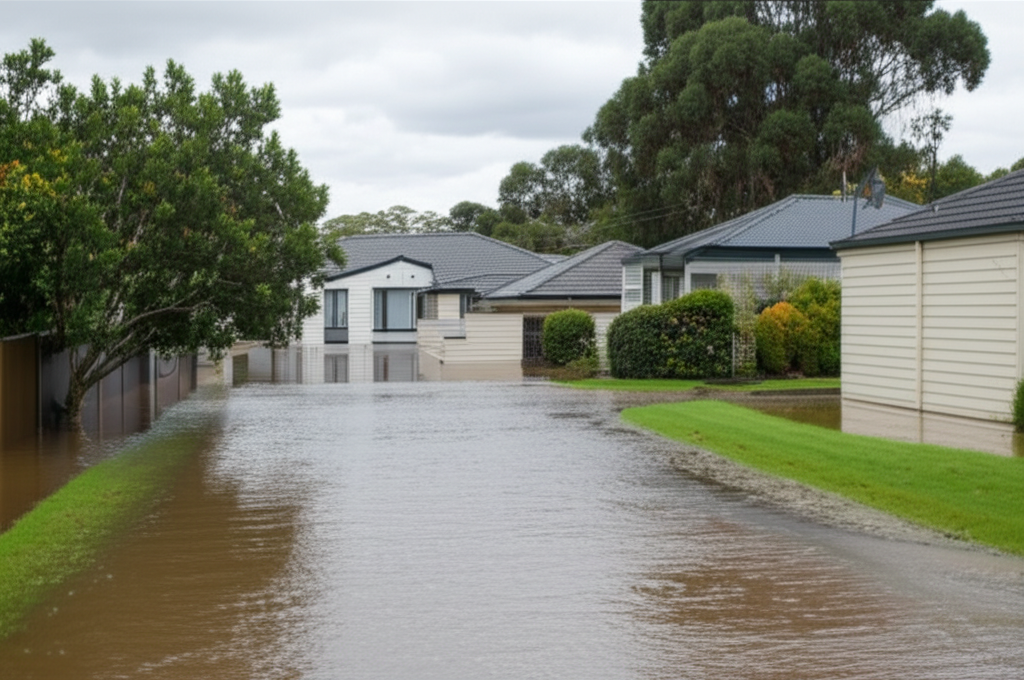
Expert Water Damage & Flood Restoration in Australia
- By, National Restoration Network
- 06 Mar, 2026
Expert Water Damage & Flood Restoration in Australia
Water damage is a homeowner's and business owner's worst nightmare, striking unexpectedly and leaving a trail of destruction. From burst pipes and overflowing appliances to severe weather events like floods and storms, the impact can be devastating. In Australia, a continent prone to extreme weather patterns, the risk of water damage is a constant concern. When disaster strikes, immediate and professional intervention is not just recommended; it's absolutely critical to mitigate damage, prevent secondary issues like mould growth, and protect your property's structural integrity and value. This comprehensive guide will delve into the complexities of water damage, the urgency of emergency response, and how expert services in water damage restoration Australia can bring your property back to its pre-damage condition.
Understanding Water Damage in the Australian Context
Water damage isn't a singular event; it manifests in various forms, each requiring a specific approach. Understanding the source and category of water is crucial for effective restoration. In Australia, common causes range from internal plumbing failures to widespread natural disasters.
Common Causes of Water Damage in Australia
Natural Disasters: Australia's climate often brings severe weather. Cyclones, torrential rains, and flash floods are frequent culprits, leading to widespread flood restoration Australia needs.
Plumbing Failures: Burst pipes, leaking hot water systems, overflowing toilets, and malfunctioning appliances (dishwashers, washing machines) are everyday occurrences that can cause significant localised water damage.
Roof Leaks: Damaged or aged roofing, especially during heavy rainfall, can allow water to penetrate ceilings and walls, causing extensive interior damage.
Blocked Drains: Overflows from blocked gutters or stormwater drains can lead to water pooling around foundations, potentially seeping into basements or crawl spaces.
Categories of Contaminated Water
Professionals categorise water damage based on the level of contamination, which dictates the restoration methods:
Category 1 (Clean Water): Originates from a sanitary source (e.g., burst pipe, overflowing sink). While initially clean, it can quickly degrade if not addressed promptly.
Category 2 (Grey Water): Contains significant contamination (e.g., overflowing washing machine, toilet bowl with urine but no faeces). It can cause illness if ingested.
Category 3 (Black Water): Highly contaminated and unsanitary (e.g., sewage backup, floodwaters from rivers or oceans). This water contains pathogenic agents and requires extreme caution and specialised handling during flood damage repair Australia.
The Urgency of Emergency Water Damage Restoration
When water invades your property, time is of the essence. Every minute counts. Delaying action can exponentially increase the damage, costs, and health risks. This is where emergency water damage restoration services become indispensable.
Why Immediate Action is Crucial
Prevents Secondary Damage: Within hours, water can seep into building materials, weakening structures. Within 24-48 hours, mould and mildew can begin to grow, posing serious health risks and requiring more extensive remediation.
Limits Structural Damage: Prolonged exposure to water can warp wooden floors, damage drywall, corrode metal, and compromise the structural integrity of your home or business.
Saves Valuables: Quick drying and restoration can often salvage furniture, documents, electronics, and personal belongings that would otherwise be lost.
Reduces Restoration Costs: Addressing the problem immediately prevents the damage from escalating, thereby reducing the overall repair and restoration expenses.
A rapid response team from the National Restoration Network is equipped to arrive on-site swiftly, assess the situation, and begin the critical process of water extraction and drying, mitigating further harm.
The Comprehensive Process of Water Damage Restoration
Professional water damage restoration is a multi-step process designed to thoroughly dry, clean, and restore your property. It goes far beyond simply mopping up water.
1. Emergency Contact and Assessment
The process begins the moment you contact a professional service like the National Restoration Network. Experts will conduct a thorough inspection to determine the source of the water, the extent of the damage, the category of water, and identify all affected areas, including hidden moisture.
2. Water Extraction
Using powerful pumps and vacuums, technicians will rapidly remove standing water. This is the most critical initial step in preventing further saturation and kick-starting the drying process. For large-scale events, this phase is vital for effective flood restoration Australia.
3. Drying and Dehumidification
Once visible water is removed, hidden moisture in walls, floors, and structural elements must be addressed. Industrial-grade air movers and dehumidifiers are strategically placed to circulate air and extract moisture, preventing mould growth and structural damage. Moisture meters and thermal imaging cameras are used to monitor and ensure complete drying.
4. Cleaning, Sanitising, and Deodorising
Depending on the water category, affected areas and salvageable items are thoroughly cleaned, sanitised, and deodorised. This step is particularly crucial for grey and black water incidents to eliminate bacteria, viruses, and unpleasant odours, safeguarding health and hygiene. This is a key component of flood damage repair Australia.
5. Restoration and Repairs
The final stage involves restoring your property to its pre-damage condition. This can range from minor repairs like replacing drywall and painting to major reconstruction tasks. This phase encompasses all necessary flood damage repair Australia, ensuring structural integrity and aesthetic appeal are fully restored.
Flood Restoration Australia: A Specialised Approach
Floods present unique challenges compared to typical water leaks. Floodwaters often contain hazardous contaminants, debris, and can impact vast areas, requiring a specialised and robust approach to flood restoration Australia.
Extensive Contamination: Floodwaters are almost always Category 3 (black water), requiring comprehensive sanitisation and disposal of highly porous materials.
Structural Compromise: Prolonged saturation from floods can severely compromise foundations, walls, and subflooring, necessitating detailed structural assessments and often significant repairs.
Large-Scale Debris Removal: Floods often leave behind mud, silt, and debris that must be safely and efficiently removed before drying can even begin.
Emotional and Financial Impact: The scale of flood damage can be overwhelming. Professional services provide not only the physical restoration but also support through insurance claims, easing the burden on property owners.
The National Restoration Network possesses the expertise, equipment, and trained personnel to handle the most severe flood damage, ensuring a thorough and safe restoration process.
Finding "Water Damage Restoration Near Me"
When an emergency strikes, proximity matters. The ability to find reliable water damage restoration near me is paramount for a swift response. While location is key, it's equally important to choose a provider with a proven track record, comprehensive services, and the capacity to handle any scale of damage.
The National Restoration Network offers the best of both worlds: a nationwide presence with local teams ready to respond. This means you benefit from consistent, high-quality standards and extensive resources, combined with the quick response time and local knowledge that comes from having a restoration team in your area. Whether you're in a bustling city or a regional town, expert help is always within reach.
Why Choose Professional Restoration Services?
Attempting DIY water damage restoration can be dangerous and often ineffective, leading to long-term problems. Professional services offer unparalleled benefits:
Expertise and Experience: Trained technicians understand the science of drying, mould remediation, and structural repair.
Specialised Equipment: Professionals use industrial-grade extractors, dehumidifiers, air movers, and moisture detection tools that are far more effective than consumer-grade alternatives.
Safety: They are equipped to handle hazardous materials, electrical risks, and contaminated water safely.
Mould Prevention: Proper drying and sanitisation are crucial to prevent insidious mould growth.
Insurance Claim Assistance: Reputable companies often assist with documentation and communication with insurance providers, streamlining the claims process.
Peace of Mind: Knowing your property is in capable hands allows you to focus on other priorities during a stressful time.
What to Do Before Professionals Arrive
While waiting for the emergency water damage restoration team, you can take a few steps to minimise further damage and ensure safety:
Ensure Safety: Turn off the electricity to affected areas if safe to do so. Avoid walking through standing water, especially if the power is still on.
Stop the Source: If possible and safe, try to stop the source of the water (e.g., turn off the main water valve, shut off a leaking appliance).
Remove Valuables: Move furniture, rugs, and personal items to a dry area to prevent further damage.
Document Damage: Take photos and videos of the damage for insurance purposes.
Do NOT Use Household Vacuums: Regular vacuums are not designed for water and can cause electric shock.
Do NOT Use Heat: Avoid using heat to dry the area, as this can encourage mould growth.
Conclusion
Water damage, whether from a small leak or a major flood, is a serious issue that demands immediate and professional attention. In Australia, where environmental conditions can be particularly harsh, having access to reliable water damage restoration Australia services is invaluable. Delaying action can lead to escalating costs, irreversible damage, and significant health risks associated with mould and contaminated water. By understanding the causes, categories, and the critical importance of rapid response, you can protect your property and peace of mind.
For expert, efficient, and comprehensive emergency water damage restoration and flood damage repair Australia, trust the professionals at the National Restoration Network. Their nationwide network of skilled technicians is equipped with advanced technology and extensive experience to restore your property quickly and effectively, ensuring a safe and healthy environment for your home or business. Don't let water damage define your property's future – act fast and call the experts.