
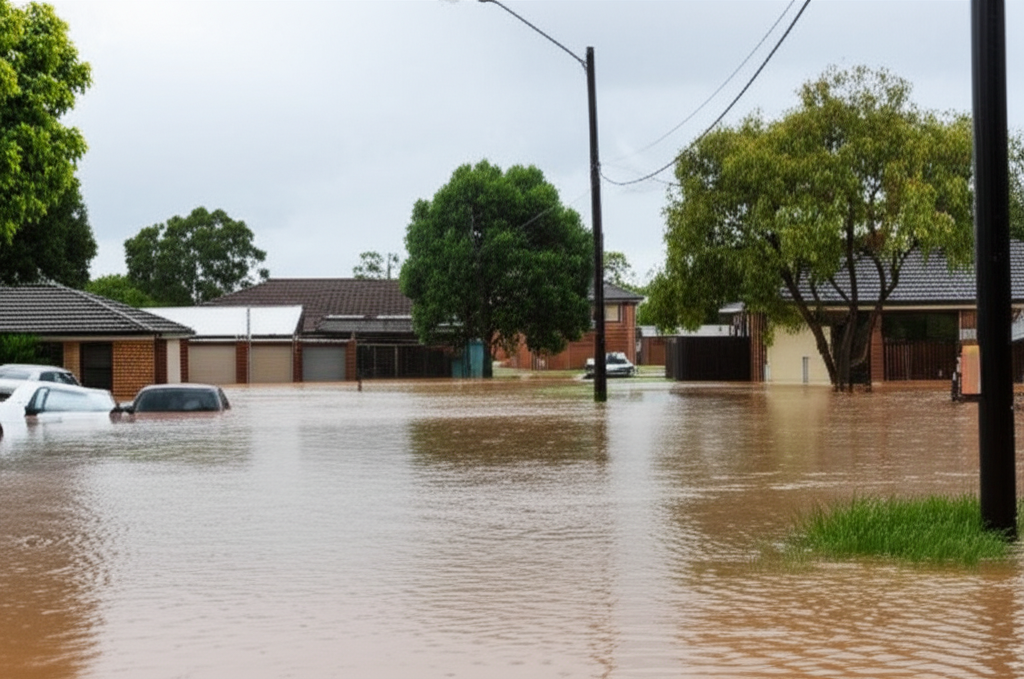
Expert Water Damage & Flood Restoration Services Across Australia
- By, National Restoration Network
- 06 Mar, 2026
Expert Water Damage & Flood Restoration Services Across Australia
Water damage is a homeowner's and business owner's worst nightmare. Whether it's a minor leak escalating into a major problem, a burst pipe flooding your property, or the devastating impact of a natural disaster, the aftermath can be overwhelming. In Australia, a continent prone to extreme weather events ranging from torrential rains to widespread flooding, the need for swift and effective water damage restoration Australia services is paramount. This comprehensive guide will delve into the critical aspects of water and flood damage, the urgency of professional intervention, and how expert services like those provided by the National Restoration Network can bring your property back to life.
Understanding the nuances of water damage, from the initial assessment to the final stages of repair, is crucial for mitigating long-term structural issues, health hazards, and financial burdens. This article will equip you with the knowledge to act decisively when disaster strikes, highlighting the importance of emergency response and the specialized processes involved in both water and flood restoration.
Understanding the Threat of Water Damage in Australia
Water damage isn't a singular event; it's a spectrum of issues caused by various sources, each demanding a specific approach to restoration. In Australia, our unique climate and geography contribute to a diverse range of water-related incidents, from urban plumbing failures to widespread natural disasters.
Types of Water Damage
Professionals categorize water damage into three main types, based on the contamination level, which dictates the restoration protocol:
Category 1 (Clean Water): This originates from a sanitary source like a burst pipe, overflowing sink, or rainwater. While initially clean, if left untreated, it can quickly degrade to Category 2 or 3 as it interacts with surfaces and materials.
Category 2 (Grey Water): This water contains significant contamination and could cause illness if ingested. Sources include washing machine overflows, dishwasher discharges, or toilet overflows containing urine but no faeces. It requires more cautious handling than clean water.
Category 3 (Black Water): Highly contaminated and posing a severe health risk, black water comes from sewage backups, river floods, or any water that has been in contact with human waste, toxic substances, or pathogenic agents. This category demands immediate and specialized remediation to prevent serious health complications.
Common Causes of Water Damage in Australian Properties
Beyond the obvious floods, many everyday occurrences can lead to significant water damage:
Plumbing Failures: Burst pipes, leaking hot water systems, overflowing toilets, or faulty appliance hoses (washing machines, dishwashers) are frequent culprits.
Roof Leaks: Damaged or old roofing, blocked gutters, and heavy rainfall can lead to water ingress, often undetected until significant damage has occurred.
Appliance Malfunctions: Refrigerators with faulty ice makers, air conditioning units with clogged drain lines, and even simple plumbing connections can cause slow, insidious leaks.
Natural Disasters: Australia faces a unique challenge with its climate. Bushfires, while seemingly unrelated, can strip landscapes of vegetation, leading to severe erosion and flash flooding when rains eventually come. Coastal storms, cyclones, and prolonged heavy rainfall events are also major contributors to widespread water and flood damage.
Recognizing the source and type of water damage is the first step towards effective restoration, underscoring the need for expert assessment.
The Urgency of Emergency Water Damage Restoration
When water invades your property, time is not on your side. The clock starts ticking immediately, and every hour that passes without professional intervention increases the extent of the damage and the cost of repairs. This is why emergency water damage restoration services are not just a convenience, but a critical necessity.
Why Immediate Action is Crucial
Prevents Secondary Damage: Within 24-48 hours, standing water can saturate porous materials like drywall, insulation, and timber, leading to swelling, warping, and structural compromise. Metals begin to rust, and electronics can be permanently damaged.
Mitigates Mould Growth: One of the most insidious consequences of water damage is mould. Given moisture and organic material, mould can begin to grow within 24-48 hours, spreading rapidly and posing significant health risks (respiratory issues, allergies) as well as further structural damage.
Safeguards Health and Safety: Contaminated water (Category 2 or 3) carries bacteria, viruses, and other pathogens that can cause serious illness. Electrical hazards also pose an immediate threat in flooded areas. Professionals are equipped to handle these dangers safely.
Reduces Restoration Costs: Prompt extraction and drying significantly reduce the scope of work required. Delaying action often means more materials need to be removed, replaced, and treated for mould, leading to a much higher overall expense.
An emergency water damage restoration team, like those affiliated with the National Restoration Network, operates 24/7, ready to respond at a moment's notice. Their rapid deployment ensures that water extraction begins quickly, minimizing the destructive timeline and setting the stage for a more successful and less costly restoration.
The Comprehensive Water Damage Restoration Process
Effective water damage restoration is a systematic process that goes far beyond simply drying out a wet area. It requires specialized equipment, trained technicians, and a deep understanding of building science and remediation principles.
1. Initial Assessment and Inspection
The first step involves a thorough inspection to determine the source of the water, the category of water, the extent of the damage, and the materials affected. Thermal imaging cameras and moisture meters are used to detect hidden moisture within walls, ceilings, and flooring, ensuring no damp spots are overlooked. This detailed assessment forms the basis of a tailored restoration plan.
2. Water Extraction
Using powerful pumps and industrial-grade vacuum extractors, technicians rapidly remove standing water from your property. This critical step reduces drying time, prevents further saturation of materials, and limits the spread of contaminants. For large-scale floods, specialized truck-mounted extraction units are often employed.
3. Drying and Dehumidification
After bulk water removal, the focus shifts to drying out residual moisture. High-speed air movers circulate air across wet surfaces, accelerating evaporation, while industrial-strength dehumidifiers remove moisture from the air, preventing secondary damage and mould growth. The drying process is carefully monitored using moisture detection tools to ensure optimal conditions are met.
4. Cleaning, Sanitizing, and Deodorizing
All affected salvageable items and surfaces are cleaned, disinfected, and sanitized to remove contaminants and prevent microbial growth, especially when dealing with grey or black water. Odour removal treatments are also applied to eliminate lingering damp or musty smells, ensuring the property is not only dry but also fresh and hygienic.
5. Restoration and Repairs
The final stage involves restoring your property to its pre-damage condition. This can range from minor repairs like replacing drywall and repainting to major structural reconstructions. Professionals coordinate with various trades (plumbers, electricians, carpenters, flooring specialists) to ensure all repairs are completed to the highest standards, bringing your home or business back to normal.
Flood Restoration Australia - Specialised Care for Catastrophic Events
While all water damage is serious, flood restoration Australia presents unique challenges due to the sheer volume of water, the high level of contamination, and the widespread structural impact. Flooding, often a result of severe weather events common in Australia, demands a highly specialized and robust response.
Floodwaters are almost always classified as Category 3 (black water) because they often contain sewage, chemicals, pesticides, and other hazardous substances picked up from the ground. This significantly elevates the health risks and necessitates stringent safety protocols during the restoration process.
Key Differences in Flood Restoration:
Enhanced Safety Measures: Technicians wear full personal protective equipment (PPE) including respirators, gloves, and protective suits to guard against biohazards.
Aggressive Demolition: Contaminated porous materials like carpet, drywall, insulation, and often even subflooring must be removed and disposed of properly to prevent mould and bacterial spread.
Extensive Sanitization: All remaining surfaces and structural elements require thorough cleaning, disinfection, and antimicrobial treatment to eliminate pathogens.
Structural Drying: Flood-damaged properties often require more intensive and longer-term drying strategies, potentially involving specialized equipment to dry structural cavities and hidden areas.
Mould Remediation: Given the high likelihood of mould growth in flood-affected properties, comprehensive mould remediation protocols are often integrated into the restoration plan.
Choosing a company experienced in flood damage repair Australia is paramount. They possess the knowledge, equipment, and certified personnel to handle the complexities of large-scale contamination and structural compromise, ensuring a safe and thorough recovery.
Finding "Water Damage Restoration Near Me" – The Importance of Local Expertise
When disaster strikes, proximity matters. Searching for "water damage restoration near me" isn't just about convenience; it's about securing a rapid response that can significantly limit the damage to your property. A local presence means quicker arrival times, familiarization with regional building codes and environmental factors, and a vested interest in the community.
While you might be tempted to call the first number you find, it's crucial to look for specific qualities in a local service:
24/7 Emergency Availability: Water damage doesn't adhere to business hours. A reliable service offers round-the-clock availability, ensuring help is dispatched immediately, day or night.
Certified Technicians: Look for IICRC (Institute of Inspection, Cleaning and Restoration Certification) certified professionals. This ensures they meet industry standards for training and expertise.
Advanced Equipment: A professional team will utilize state-of-the-art water extraction, drying, and moisture detection equipment, crucial for efficient and effective restoration.
Insurance Claim Assistance: Dealing with water damage is stressful enough. A reputable local service can help navigate the complex insurance claims process, making it smoother for you.
The National Restoration Network, while a national entity, prides itself on having a network of local, highly qualified restoration professionals across Australia. This means you get the benefit of national standards and resources combined with the rapid response and personalized service of a local team, ensuring that when you search for "water damage restoration near me," you connect with trusted experts.
Why Choose Professional Flood Damage Repair Australia
Attempting DIY water or flood damage repair can be tempting, but it often leads to more extensive, costly, and dangerous problems down the line. Professional flood damage repair Australia services offer unparalleled benefits that safeguard your property, health, and peace of mind.
The Risks of DIY vs. Professional Benefits:
Hidden Moisture: Without professional moisture detection tools, it's nearly impossible to find and dry all hidden moisture. This leads to lingering dampness, mould growth, and structural rot.
Incomplete Drying: Standard household fans are no match for industrial-grade air movers and dehumidifiers. Incomplete drying leaves your property vulnerable to long-term damage.
Health Hazards: Dealing with contaminated water or mould without proper PPE and training exposes you to serious health risks.
Structural Integrity: Professionals understand how water affects different building materials and can assess and repair structural damage correctly, preventing future collapse or instability.
Insurance Claims: Reputable restoration companies work directly with insurance providers, assisting with documentation, scope of work, and ensuring your claim is processed efficiently and fairly.
By entrusting your flood damage repair to certified experts, you ensure that the job is done thoroughly, safely, and efficiently. They bring not only the right equipment and expertise but also the experience to navigate complex situations, from initial assessment to final reconstruction, giving your property the best chance at a full recovery.
Conclusion
Water and flood damage are among the most destructive forces a property owner can face. From a small leak to a catastrophic flood, the impacts can be far-reaching, affecting structural integrity, indoor air quality, and personal belongings. In a country like Australia, where severe weather events are a regular occurrence, being prepared for and understanding the importance of professional restoration is not just advisable – it's essential.
Remember, the key to successful water and flood damage restoration lies in rapid response and expert execution. Delaying action can turn a manageable problem into a severe crisis, escalating costs and health risks. For comprehensive, reliable, and swift water and flood damage restoration services anywhere in Australia, trust the experts.
If you're facing water damage, don't hesitate. Contact the National Restoration Network today for immediate assistance and professional solutions that restore your property and your peace of mind.