
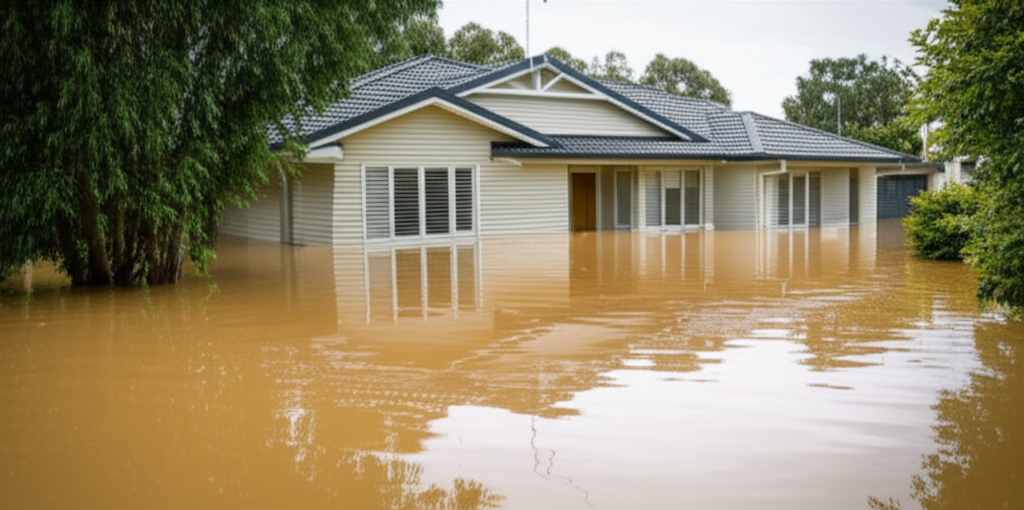
Expert Water Damage & Flood Restoration Services Across Australia
- By, National Restoration Network
- 06 Mar, 2026
Expert Water Damage & Flood Restoration Services Across Australia
Water damage can strike unexpectedly, unleashing devastating consequences on homes and businesses across Australia. From sudden burst pipes and appliance malfunctions to the relentless fury of floods and storms, the impact can be immediate and long-lasting. Beyond the visible destruction, hidden threats like mould growth and structural compromise can emerge if not addressed promptly and professionally. This is why understanding and accessing expert water damage restoration services is not just a convenience, but an absolute necessity for property owners nationwide. When disaster strikes, a rapid, skilled response is paramount to mitigating damage, protecting health, and restoring your property to its pre-damage condition.
The Urgent Need for Water Damage Restoration in Australia
Australia's diverse climate, from arid inland regions to flood-prone coastlines, makes properties particularly vulnerable to various forms of water ingress. Heavy rainfall, flash floods, and severe storms are increasingly common occurrences, placing immense pressure on infrastructure and building integrity. Beyond natural disasters, everyday incidents like plumbing failures, overflowing appliances, and roof leaks contribute significantly to water damage incidents. When water invades, it doesn't just wet surfaces; it saturates materials, weakens structures, and creates a breeding ground for harmful microorganisms. This highlights the critical importance of professional water damage restoration Australia, offering a lifeline to countless property owners facing such crises.
Understanding Different Types of Water Damage and Their Impact
Not all water damage is created equal. Restoration professionals categorise water damage based on the level of contamination, which dictates the necessary remediation steps and health precautions.
Clean Water Damage (Category 1)
This category involves water that originates from a sanitary source, posing no immediate threat to health. Examples include burst water pipes, overflowing sinks, or appliance malfunctions involving the clean water supply. While seemingly benign, if left untreated, clean water can quickly degrade into grey or black water as it interacts with building materials and surfaces.
Grey Water Damage (Category 2)
Grey water contains a significant level of chemical, biological, or physical contaminants, making it potentially unsafe. Sources include overflowing washing machines or dishwashers, toilet overflows containing urine (but no faeces), or sump pump failures. Direct contact with grey water can cause discomfort or illness, and it requires more rigorous cleaning and sanitisation than clean water.
Black Water Damage (Category 3)
This is the most severe and hazardous category, involving highly contaminated water that can contain pathogenic agents and toxins. Sources include sewage backups, floodwaters from rivers or oceans, or water that has stood for an extended period. Black water poses a severe health risk and requires specialised handling, personal protective equipment, and extensive decontamination to ensure the safety of the property and its occupants.
The Critical Role of Emergency Water Damage Restoration
When water damage occurs, time is of the essence. The longer water sits, the more extensive the damage becomes, increasing the risk of structural compromise, mould growth, and irreversible property loss. This is why emergency water damage restoration services are absolutely vital. A rapid response within the first 24-48 hours can significantly reduce the scope of damage, accelerate the drying process, and prevent secondary issues like mould. Professional teams equipped for immediate deployment can arrive on-site quickly, regardless of the time of day or night, ensuring that critical remediation steps begin without delay. For those searching for "water damage restoration near me," a service that offers 24/7 emergency response is non-negotiable.
Tackling Flood Restoration in Australia
Flooding is a recurring and often devastating natural disaster across Australia, impacting communities from coastal towns to inland river systems. The sheer volume of water, often combined with contaminants, presents a unique set of challenges for property owners. Flood restoration Australia demands a comprehensive and systematic approach, far beyond simple drying. Floodwaters are typically classified as Category 3 (black water), requiring extensive sanitisation and removal of damaged porous materials. Experts in flood restoration understand the complexities of dealing with saturated foundations, contaminated interiors, and the urgent need to prevent long-term structural issues and widespread mould infestation.
Storm Damage Restoration: A National Imperative
Australia is no stranger to severe weather events, including cyclones, hailstorms, and intense thunderstorms. These storms often bring heavy rainfall, strong winds, and sometimes even tidal surges, leading to significant property damage. Roof damage, broken windows, and compromised building envelopes allow water to penetrate rapidly, causing extensive interior destruction. Storm damage restoration Australia requires a multi-faceted response, often involving emergency board-up and tarping services to secure the property, followed by comprehensive water extraction, drying, and structural repairs. Companies like National Restoration Network are equipped to handle the full spectrum of storm-related damage, providing peace of mind during highly stressful situations.
The Comprehensive Water Damage Restoration Process
Effective water damage restoration is a multi-stage process carried out by certified professionals, ensuring thoroughness and long-term property integrity.
Assessment and Inspection
The first step involves a detailed assessment to identify the source of the water, the category of water damage, and the full extent of saturation. Infrared cameras and moisture meters are used to detect hidden moisture within walls, floors, and ceilings.
Water Extraction
High-powered pumps and industrial-grade wet vacuums are deployed to quickly remove standing water. This step is crucial for preventing further saturation and kick-starting the drying process. The quicker water is removed, the less damage occurs.
Drying and Dehumidification
Once standing water is removed, the focus shifts to drying out residual moisture from affected materials. Industrial air movers and dehumidifiers are strategically placed to create optimal drying conditions, preventing secondary damage like warping, swelling, and mould growth. This is a critical phase for water damage restoration Australia.
Cleaning and Sanitisation
Depending on the water category, thorough cleaning and sanitisation are essential. This involves cleaning salvageable items, deodorising the affected area, and applying antimicrobial treatments to inhibit mould and bacterial growth. For black water incidents, extensive decontamination is required.
Restoration and Repairs
The final stage involves restoring the property to its pre-damage condition. This can range from minor repairs like replacing drywall and flooring to major structural reconstruction. A reputable restoration company manages the entire process, including liaising with insurance companies.
Choosing the Right Restoration Partner: Why Expertise Matters
When faced with water damage, selecting the right restoration company is paramount. You need a team that offers rapid response, possesses industry certifications, and has extensive experience with various types of water damage. Look for professionals who utilise advanced equipment, follow industry best practices, and offer comprehensive services from initial assessment to final restoration. A national network, like National Restoration Network, provides the assurance of consistent quality and availability, no matter where you are in Australia. This is especially important when you're searching for "water damage restoration near me" during an emergency, ensuring that expert help is always within reach.
Conclusion
Water damage, whether from a burst pipe, a relentless flood, or a severe storm, is a serious threat to Australian properties. Ignoring the problem or attempting DIY solutions can lead to far greater costs, health hazards, and irreparable damage in the long run. Professional water damage restoration Australia, including specialised storm damage restoration Australia and flood restoration, is crucial for effective remediation and recovery. By acting quickly and engaging certified experts like those at National Restoration Network, you can ensure your property is thoroughly dried, cleaned, sanitised, and restored, safeguarding your investment and peace of mind.