
Expert Water Damage & Flood Restoration Services Across Australia
- By, National Restoration Network
- 03 Mar, 2026
Expert Water Damage & Flood Restoration Services Across Australia
Australia, with its vast and diverse landscape, is no stranger to the unpredictable forces of nature. From torrential rains and flash floods to burst pipes and appliance malfunctions, water damage is a pervasive threat that can strike homes and businesses at any moment. When water invades, the clock starts ticking. Every hour that passes without professional intervention increases the risk of structural damage, mould growth, and irreparable loss. This is where expert water damage restoration Australia becomes not just a service, but an absolute necessity. Understanding the urgency and complexity of such events is crucial for effective recovery and preventing long-term issues.
Whether you're dealing with the aftermath of a widespread natural disaster or a localised plumbing emergency, the need for swift, skilled, and comprehensive restoration is paramount. This guide will delve into the critical aspects of water damage and flood restoration, highlighting why immediate action and professional expertise are indispensable for safeguarding your property and peace of mind across the Australian continent.
Understanding the Impact of Water Damage: Beyond the Surface
Water damage is often underestimated. What might appear as a simple puddle can quickly escalate into a severe problem affecting foundations, electrical systems, and indoor air quality. The type of water involved significantly influences the restoration approach:
Clean Water:
Originating from a burst pipe, overflowing sink, or rain, clean water poses the least immediate health risk. However, if left untreated, it can still lead to structural damage and mould growth within 24-48 hours.Grey Water:
This category includes water from washing machines, dishwashers, or showers. It contains contaminants that can cause illness if ingested. Prompt water damage restoration Australia is essential to prevent it from becoming black water.Black Water:
Highly contaminated, black water comes from sewage backups, floodwaters, or prolonged exposure of clean/grey water to contaminants. It contains pathogenic agents and requires specialised handling by professionals to ensure safety and thorough decontamination.
Regardless of the source, the insidious nature of water means it can seep into hidden spaces, saturating insulation, drywall, and subflooring, creating ideal conditions for mould and mildew. Recognising these dangers underscores the vital role of professional water damage restoration Australia services that can accurately assess the situation and implement a targeted recovery plan.
The Critical Role of Emergency Water Damage Restoration
When water damage strikes, time is of the essence. The window for effective mitigation is often measured in hours, not days. This is why emergency water damage restoration is a cornerstone of property recovery. A rapid response can dramatically reduce the extent of damage, minimise repair costs, and prevent secondary issues like mould infestation and structural compromise.
An emergency response typically involves:
24/7 Availability:
Water emergencies don't adhere to business hours. A reliable restoration service offers round-the-clock availability, ready to dispatch teams at a moment's notice, no matter the time or day. If you're searching for "water damage restoration near me" in an emergency, you need a provider who can respond swiftly to your location.Immediate Assessment & Water Extraction:
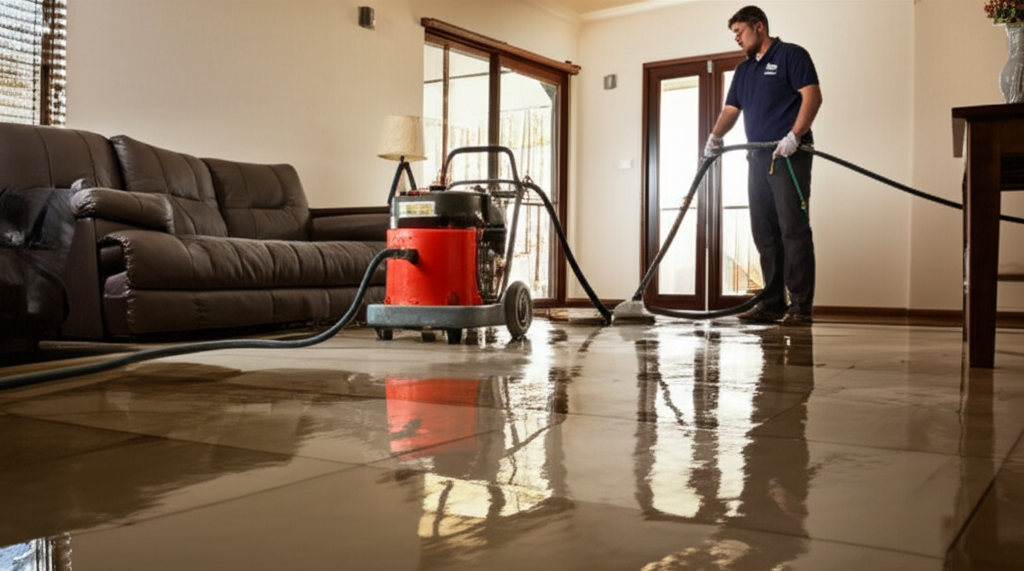
Upon arrival, experts conduct a thorough assessment to identify the source of water, categorise its type, and determine the scope of damage. High-powered pumps and industrial-grade vacuums are then deployed to remove standing water quickly and efficiently.Moisture Mapping & Drying:
State-of-the-art moisture detection equipment is used to pinpoint hidden pockets of moisture within walls, floors, and ceilings. Industrial dehumidifiers and air movers are strategically placed to dry affected areas completely, preventing mould growth and further deterioration.
Ignoring the need for immediate action can turn a manageable problem into a catastrophic one, leading to extensive repairs and potential health hazards. Professional emergency water damage restoration teams are equipped with the expertise and technology to tackle these urgent situations head-on, providing peace of mind when you need it most.
Flood Restoration Australia: Navigating the Aftermath of Deluge
Australia is particularly susceptible to severe weather events, including devastating floods that can engulf entire regions. Flood restoration Australia presents unique challenges compared to typical water damage scenarios due to the sheer volume of water, the high level of contamination, and the widespread impact on communities.
Floodwaters are typically classified as black water, carrying sewage, chemicals, and other hazardous materials. This necessitates a highly specialised and rigorous restoration process:
Safety First:
Flood-affected properties pose significant health risks. Restoration teams prioritise safety, wearing appropriate PPE and implementing strict protocols to prevent exposure to contaminants.Decontamination & Sanitisation:
Beyond drying, comprehensive decontamination is crucial to eliminate bacteria, viruses, and other pathogens left behind by floodwaters. Anti-microbial treatments and thorough sanitisation are applied to all affected surfaces.Structural Drying & Damage Repair:
Flooding often compromises structural integrity. Experts meticulously dry and dehumidify buildings, assessing and repairing damaged structural components to ensure the property is safe and sound for reoccupation.Mould Remediation:
Mould is an almost inevitable consequence of flooding if not addressed immediately. Professional flood restoration Australia includes thorough mould inspection and remediation to eliminate existing growth and prevent recurrence.
Engaging a reputable flood restoration Australia service ensures that your property is not only dried but also thoroughly cleaned, decontaminated, and restored to a safe and habitable condition, mitigating both immediate and long-term health and structural risks.
Comprehensive Disaster Restoration Services Australia
While water and flood damage are significant concerns, the broader spectrum of disaster restoration services Australia encompasses recovery from a wide array of catastrophic events. Natural disasters like bushfires, cyclones, and severe storms, as well as man-made incidents, can leave behind extensive damage requiring expert intervention.
A comprehensive disaster restoration provider offers a holistic approach to recovery, ensuring that all aspects of damage are addressed:
Fire and Smoke Damage Restoration:
Cleaning soot, removing smoke odours, and repairing fire-damaged structures.Storm Damage Repair:
From fallen trees to damaged roofs and broken windows, restoring properties after severe weather.Mould Remediation:
Specialised techniques to identify, contain, and remove mould infestations, a common secondary effect of water damage.Contents Restoration:
Salvaging and restoring personal belongings, furniture, and documents affected by various disasters.Reconstruction Services:
Fully rebuilding or repairing sections of a property that have sustained severe damage, bringing it back to pre-loss condition.
Such comprehensive services are invaluable, especially in a country like Australia where diverse natural disasters are a recurring threat. Partnering with a network of experts, like the National Restoration Network, ensures that you have access to specialised teams equipped to handle any disaster, providing a streamlined path to recovery.
Choosing the Right Water Damage Restoration Partner
When faced with water damage or a flood, selecting the right restoration company is paramount. You need a partner who is not only skilled and equipped but also reliable and empathetic during a stressful time. Here’s what to look for:
Experience and Expertise:
Ensure the company has a proven track record in handling various types of water damage and flood scenarios. Certifications from industry bodies like the IICRC (Institute of Inspection, Cleaning and Restoration Certification) are a strong indicator of professional standards.24/7 Emergency Response:
As discussed, speed is critical. A company offering round-the-clock emergency services is non-negotiable for mitigating damage effectively. This is especially true when searching for "water damage restoration near me" – you need immediate local support.Advanced Equipment:
Look for providers who utilise state-of-the-art water extraction, drying, dehumidification, and moisture detection equipment. This ensures a thorough and efficient restoration process.Comprehensive Services:
Beyond just drying, a good restoration partner offers full-spectrum services including mould remediation, sanitisation, contents restoration, and even reconstruction if necessary.Insurance Liaison:
Dealing with insurance claims can be overwhelming. A reputable company will assist with the claims process, providing detailed documentation and working directly with your insurer.
The National Restoration Network exemplifies these qualities, connecting you with vetted and highly skilled restoration professionals across Australia. They understand the nuances of both minor water leaks and major flood events, ensuring that you receive top-tier service tailored to your specific needs.
The Water Damage Restoration Process Explained
Understanding the methodical approach taken by professionals can demystify the water damage restoration Australia process and highlight why expert intervention is so crucial. While specific steps may vary based on the extent and type of damage, a typical process includes:
Emergency Contact & Inspection:
The first step is always the initial call. A rapid response team will arrive to conduct a detailed assessment, identify the water source, classify the water type, and evaluate the scope of damage using advanced moisture detection tools.Water Extraction:
High-powered pumps and wet vacuums are used to remove standing water quickly. This step is critical for preventing further saturation and accelerating the drying process.Drying & Dehumidification:
Industrial-grade air movers and dehumidifiers are strategically placed to thoroughly dry all affected materials and areas, including hidden pockets of moisture. Continuous monitoring ensures optimal drying conditions.Cleaning & Sanitising:
All salvageable items and surfaces are cleaned, disinfected, and sanitised to prevent mould growth, eliminate odours, and address any health risks, especially with grey or black water damage.Mould Remediation (if necessary):
If mould is detected or anticipated, specific protocols are followed for containment, removal, and air purification to ensure a healthy indoor environment.Restoration & Repair:
This final phase involves repairing or replacing damaged structural elements like drywall, flooring, and insulation. The goal is to restore your property to its pre-loss condition, making it safe and habitable once more.
Each step is executed with precision and adherence to industry standards, ensuring a comprehensive and lasting restoration. Engaging professionals for water damage restoration Australia means entrusting your property to experts who follow a proven methodology.
Conclusion
Water damage, whether from a burst pipe or a devastating flood, can be an overwhelming experience for any property owner in Australia. The potential for extensive structural damage, mould growth, and health risks necessitates immediate, professional intervention. From the initial emergency response to the final stages of drying and restoration, expert water damage restoration Australia services are indispensable for a successful recovery.
When disaster strikes, knowing who to call for emergency water damage restoration, comprehensive flood restoration Australia, or broader disaster restoration services Australia can make all the difference. Companies like the National Restoration Network provide the expertise, equipment, and rapid response capabilities required to mitigate damage, restore properties, and bring peace of mind back to affected individuals and communities. Don't delay – protect your property and health by partnering with trusted restoration professionals.