
Comprehensive Water Damage and Mould Remediation for Australian Homes and Businesses
- By, National Restoration Network
- 13 Apr, 2026
Comprehensive Water Damage and Mould Remediation for Australian Homes and Businesses
Water damage can strike unexpectedly, transforming a peaceful home or productive business environment into a scene of chaos and potential destruction. Whether it's a sudden burst pipe, an overflowing appliance, a severe storm, or widespread flooding, the aftermath requires swift, professional intervention. In Australia, where diverse climates can bring both torrential rains and persistent humidity, understanding and addressing water damage and its subsequent issues, like mould, is paramount for property owners. Acting quickly isn't just about saving your belongings; it's about protecting the structural integrity of your property and the health of its occupants.
This article delves into the critical aspects of water damage restoration, from the urgency of emergency response to the specialised techniques required for flood and mould remediation across Australia. We'll explore why choosing the right restoration professionals, particularly those offering "water damage restoration near me" services, can make all the difference in mitigating damage and ensuring a complete recovery.
The Urgency of Emergency Water Damage Restoration
When water invades your property, every minute counts. The initial hours following a water incident are crucial in determining the extent of the damage and the complexity of the restoration process. This is where emergency water damage restoration services become indispensable. Waiting too long can lead to exponentially greater problems, including irreversible structural damage, ruined possessions, and the rapid onset of mould growth.
Professional emergency teams are equipped to respond 24/7, arriving promptly to assess the situation, halt the source of water if safe to do so, and begin the immediate extraction of standing water. Their rapid deployment minimises saturation, reduces the absorption of water into building materials, and significantly cuts down on the drying time. This immediate action is the first line of defence against costly secondary damage and helps to preserve as much of your property as possible.
Understanding Water Damage Restoration Across Australia
Water damage restoration in Australia involves a multi-faceted approach tailored to the specific type and category of water intrusion. It's not simply about drying out a wet area; it's a scientific process designed to return a property to its pre-damage condition, or better. The process typically begins with a thorough inspection to determine the water source, assess the scope of damage, and categorise the water (clean, grey, or black) to inform the appropriate treatment protocols.
Following the initial assessment, the core steps of effective water damage restoration include:
- Water Extraction: Utilising powerful pumps and industrial-strength wet vacuums to remove hundreds or even thousands of litres of water quickly.
- Drying and Dehumidification: Employing high-speed air movers and industrial dehumidifiers to dry out affected areas and materials, controlling humidity levels to prevent secondary damage and mould. Moisture meters and thermal imaging cameras are used to monitor progress and ensure hidden moisture is eradicated.
- Cleaning and Sanitising: Thorough cleaning of all salvageable items and surfaces, followed by professional sanitisation to eliminate bacteria, viruses, and other contaminants, especially when dealing with grey or black water.
- Restoration and Repairs: This final stage involves repairing or replacing damaged structural elements, drywall, flooring, and other building materials, bringing the property back to its original state.
For more detailed insights into professional water damage recovery services, consider exploring resources dedicated to water damage restoration australia, where expert guidance ensures comprehensive and effective solutions for all types of water-related incidents.
Battling the Aftermath of Flooding - Flood Restoration Australia
Flooding presents a unique set of challenges that go beyond typical water damage. Floodwaters often carry a high level of contamination, including sewage, chemicals, and debris, making them a significant health hazard. Consequently, National Restoration Network understands that flood restoration in Australia demands specialised techniques and an even greater emphasis on safety and decontamination.
Key aspects of flood restoration include:
- Safety First: Prioritising the safety of occupants and restoration technicians, addressing potential electrical hazards, structural instability, and biological contaminants.
- Aggressive Decontamination: Extensive use of antimicrobial and sanitising agents to thoroughly clean and disinfect all affected surfaces and materials, mitigating health risks associated with contaminated water.
- Structural Drying and Damage Assessment: Floodwaters can penetrate deep into structural components, requiring intensive drying protocols and careful assessment of foundations, walls, and subflooring for integrity issues.
- Material Removal: Non-salvageable materials, especially porous ones like drywall, insulation, and carpeting that have been exposed to contaminated floodwaters, must be safely removed and disposed of to prevent mould growth and lingering health risks.
Professional flood restoration teams are equipped with the expertise and advanced equipment to handle the complexities of large-scale water ingress, ensuring a safe and thorough recovery process.
The Silent Threat Mould Remediation Australia
One of the most insidious consequences of water damage, if not addressed promptly and thoroughly, is mould growth. Mould can begin to colonise surfaces within 24 to 48 hours of moisture exposure, posing significant health risks to occupants and causing progressive damage to property. Common health issues include respiratory problems, allergies, skin irritation, and other systemic illnesses.
Mould remediation in Australia requires a systematic and professional approach, as DIY attempts can often spread spores and worsen the problem. The process typically involves:
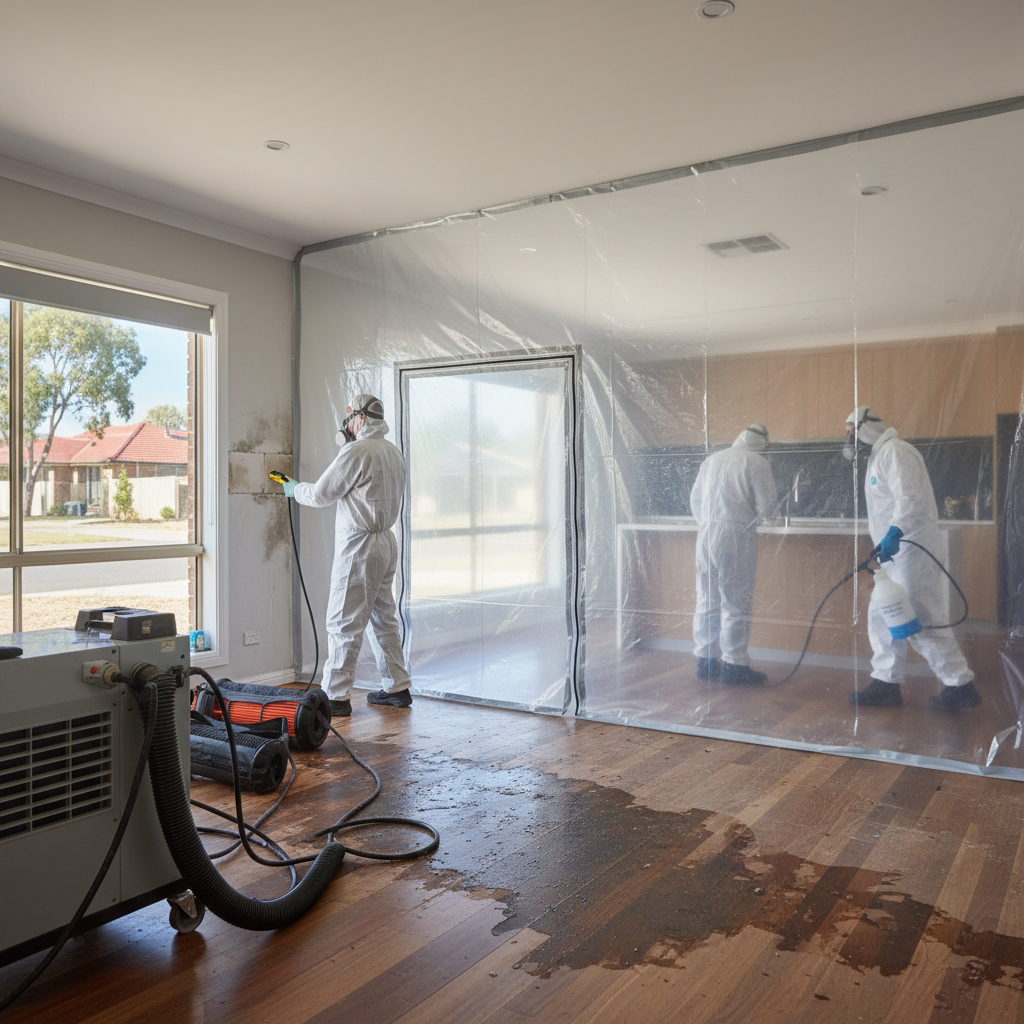
- Containment: Setting up physical barriers and negative air pressure to prevent mould spores from spreading to unaffected areas during removal.
- Air Filtration: Using High-Efficiency Particulate Air (HEPA) filters to capture airborne mould spores and other contaminants, purifying the air.
- Mould Removal: Safely removing mould-infested materials, cleaning and treating surfaces with specialised antimicrobial agents. This is a meticulous process that targets mould at its source.
- Drying and Prevention: Ensuring the underlying moisture problem is fully resolved and the affected area is completely dry to prevent future mould growth. This often involves structural drying and dehumidification.
For effective and safe removal of this pervasive problem, it is essential to engage specialists in mould remediation australia, who possess the necessary training and equipment to tackle mould infestations comprehensively.
Finding Reliable "Water Damage Restoration Near Me"
When disaster strikes, the immediate thought for many property owners is "Who can provide water damage restoration near me?" The proximity and responsiveness of a restoration service are critical. A local provider can offer faster response times, which, as discussed, is vital for mitigating damage. Beyond just location, however, there are several key factors to consider when selecting a reputable restoration company:
- 24/7 Availability: Water emergencies don't adhere to business hours, so a company offering around-the-clock service is essential.
- Certified Technicians: Look for certifications from industry bodies like the Institute of Inspection, Cleaning and Restoration Certification (IICRC), which indicates adherence to professional standards and best practices.
- Advanced Equipment: A professional company will invest in state-of-the-art water extraction, drying, dehumidification, and air filtration equipment.
- Comprehensive Services: From initial assessment and water extraction to drying, sanitisation, mould remediation, and reconstruction, a full-service provider simplifies the recovery process.
- Insurance Liaison: A good restoration company can assist with insurance claims, providing detailed documentation and working directly with your insurer.
- Reputation and Reviews: Check testimonials and reviews to gauge customer satisfaction and the company's track record.
Choosing a reliable and experienced provider, such as those within the National Restoration Network, ensures that your property is in capable hands, with experts who understand local conditions and can deliver prompt, effective, and comprehensive restoration services.
Conclusion
Water damage, whether from a minor leak or a major flood, poses a significant threat to Australian properties and the well-being of their inhabitants. The key to successful recovery lies in immediate action and professional expertise. From emergency water extraction and thorough drying to specialised flood restoration and meticulous mould remediation, each step requires a high level of skill and the right equipment. By understanding the processes involved and knowing how to find reliable "water damage restoration near me" services, property owners can significantly reduce the impact of water-related incidents.
Don't let water damage escalate into a larger, more costly problem. Prompt professional intervention safeguards your property's value, preserves its structural integrity, and protects the health of everyone inside. When faced with water intrusion, reaching out to a trusted restoration network is the most effective way to ensure a swift and complete recovery.