
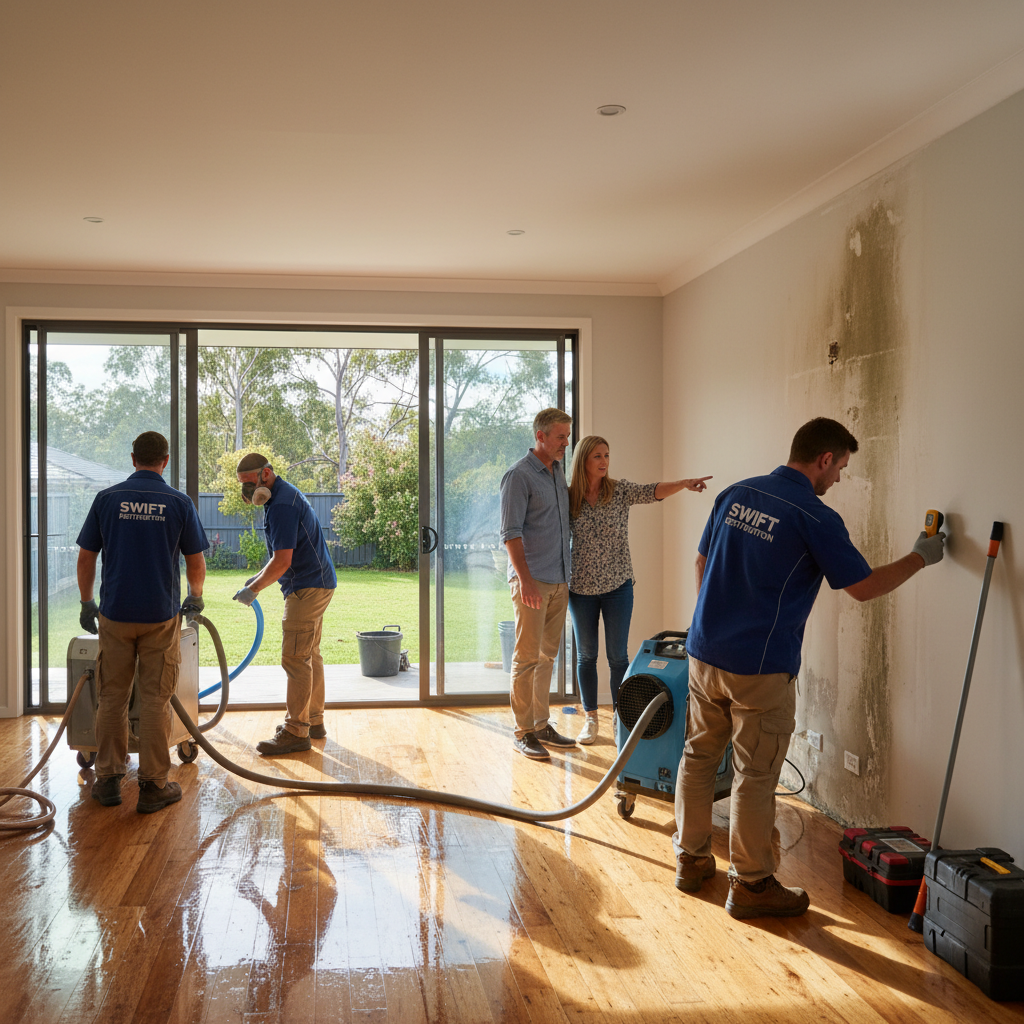
Swift Professional Water Damage Restoration Protecting Australian Properties
- By, National Restoration Network
- 09 Apr, 2026
Swift Professional Water Damage Restoration Protecting Australian Properties
Water damage, whether from a burst pipe, an overflowing appliance, or a severe weather event, can strike without warning, turning a stable environment into a chaotic scene. The aftermath is often stressful, overwhelming, and potentially hazardous, impacting both residential homes and commercial businesses. When water infiltrates your property, the clock starts ticking, as every moment lost increases the risk of structural damage, mould growth, and pervasive odours. Understanding the critical importance of immediate and effective intervention is the first step towards recovery. This comprehensive guide explores the multifaceted world of water damage restoration, focusing on why prompt action is paramount, the unique challenges faced across Australia, and how expert services provide peace of mind and thorough recovery.
The Immediate Threat of Water Damage and the Need for Emergency Response
When water invades your space, it doesn't just wet surfaces; it saturates materials, weakens structures, and creates a breeding ground for harmful microorganisms. The longer water sits, the more extensive and costly the damage becomes. Within hours, porous materials like drywall and wood begin to swell and deteriorate. Within 24-48 hours, mould can start to form, posing significant health risks and requiring more complex remediation. This rapid progression underscores the critical need for emergency water damage restoration services. A swift response can mitigate secondary damage, salvage more of your property, and significantly reduce overall restoration costs.
For those searching for "water damage restoration near me," the priority is finding a provider who can respond quickly, regardless of the time of day or night. Local teams are often best equipped to arrive on-site within hours, initiating the crucial first steps of water extraction and drying. This immediate action is not merely about convenience; it's about preventing a minor incident from escalating into a major disaster. Professional restorers come equipped with industrial-grade pumps, vacuums, and drying equipment far superior to standard household tools, ensuring efficient and thorough water removal.
Understanding the Categories of Water Damage
Not all water damage is created equal, and understanding its categories is vital for proper restoration. Professionals classify water into three main categories:
- Category 1 (Clean Water): Originates from a sanitary source (e.g., burst pipes, overflowing sinks, rainwater). While initially clean, it can quickly degrade if not addressed.
- Category 2 (Grey Water): Contains significant contamination and may cause illness if ingested (e.g., washing machine overflow, toilet overflow with urine, dishwasher discharge).
- Category 3 (Black Water): Highly contaminated and grossly unsanitary, posing severe health risks (e.g., sewage backup, floodwaters from rivers or oceans, water containing chemical or biological agents).
Each category requires a specific approach to restoration and remediation, particularly concerning safety protocols and sanitisation, highlighting why expert intervention is indispensable.
Navigating Water Damage Restoration Challenges Across Australia
Australia's diverse climate and geography present unique challenges for property owners. From tropical cyclones and torrential rains in the north to flash floods in urban areas and coastal storm surges, water-related incidents are a constant threat. This makes reliable water damage restoration australia services an essential safeguard for homes and businesses nationwide. Local expertise is invaluable, as experienced professionals understand the specific building materials, environmental factors, and regulatory requirements pertinent to different regions.
The Australian landscape often means dealing with vast distances, making the logistical capabilities of a national network invaluable. Companies that can coordinate resources across states and territories ensure that even remote areas receive timely and effective assistance. Whether it's a residential property in Queensland reeling from a tropical storm or a commercial establishment in New South Wales impacted by an urban flood, the principles of rapid response, thorough drying, and comprehensive repair remain critical. A national presence also often means access to a broader range of specialist equipment and highly trained personnel, capable of tackling even the most severe water damage scenarios.
The Comprehensive Restoration Process Explained
Professional water damage restoration involves a systematic, multi-step process designed to return your property to its pre-damage condition. This isn't just about drying; it's about complete recovery and preventing future issues.
- Emergency Contact and Assessment: The process begins with your call. A rapid response team will conduct a thorough inspection, assessing the extent of the damage, identifying the water source, and categorising the water. This initial assessment guides the entire restoration plan.
- Water Extraction: Using powerful pumps and industrial-grade wet vacuums, technicians remove standing water quickly. This step is crucial for preventing further saturation and expediting the drying process.
- Drying and Dehumidification: After extraction, remaining moisture embedded in structural materials and air must be removed. Air movers, dehumidifiers, and specialised drying equipment are strategically placed to draw out moisture, preventing mould growth and structural damage.
- Cleaning and Sanitisation: All affected areas and contents are cleaned, sanitised, and deodorised. This is particularly vital for grey and black water incidents, where harmful bacteria and pathogens may be present. Anti-microbial treatments are applied to prevent mould and mildew.
- Monitoring: Throughout the drying process, technicians regularly monitor moisture levels using advanced meters to ensure that all materials are thoroughly dry and that the property is returned to safe humidity levels.
- Repairs and Restoration: Once drying and sanitisation are complete, the focus shifts to repairing and restoring damaged structures and contents. This can range from minor repairs like replacing drywall and flooring to major structural reconstruction, ensuring your property is fully restored.
Responding to Australia's Flooding Crises with Expert Flood Restoration
Flooding remains one of Australia's most devastating natural disasters, causing widespread destruction to homes, businesses, and infrastructure. When properties are engulfed by floodwaters, the damage is often extensive and complex, requiring specialised expertise in flood restoration australia. Floodwaters are invariably classified as Category 3 (black water), meaning they carry significant health risks due to sewage, chemicals, and other contaminants. This necessitates stringent safety protocols and thorough decontamination procedures.
Effective flood damage repair australia involves more than just drying; it requires comprehensive cleanup, sanitisation, and structural repair to address the deep-seated impact of prolonged water exposure. This often includes removing damaged plasterboard, insulation, flooring, and even portions of the subfloor. Contents may need to be assessed for salvageability, cleaned, and stored off-site while the property undergoes restoration. Professional flood restoration teams are equipped not only with the tools for large-scale water extraction and drying but also with the knowledge to safely handle contaminated materials and restore properties to a habitable and safe condition.
Key Considerations for Flood-Damaged Properties
- Structural Integrity: Floodwaters can compromise foundations, walls, and ceilings. Engineers may need to assess structural stability before restoration can proceed.
- Mould Remediation: Mould is almost inevitable after flooding. Professional mould remediation involves containment, removal, and air purification to eliminate spores and prevent recurrence.
- Electrical System Safety: Flood-damaged electrical systems pose severe risks. A qualified electrician must inspect and certify the safety of all wiring and appliances before power is restored.
- Insurance Claims: Navigating insurance claims after a flood can be daunting. Reputable restoration companies often assist with documentation and communication with insurance providers to streamline the process.
Choosing the Right Water Damage Restoration Partner
When faced with water damage, selecting the right restoration company is crucial for a successful outcome. Here are key factors to consider:
- 24/7 Emergency Service: Water damage doesn't adhere to business hours. Ensure the company offers round-the-clock availability for immediate response.
- Certified Technicians: Look for certifications from recognised industry bodies like the Institute of Inspection, Cleaning and Restoration Certification (IICRC). This ensures technicians are trained in the latest industry standards and best practices.
- Advanced Equipment: A professional company will utilise state-of-the-art water extraction, drying, dehumidification, and sanitisation equipment.
- Experience and Reputation: Choose a company with a proven track record of successful water damage and flood restoration projects. Check reviews and testimonials.
- Insurance Assistance: A company that can help you navigate the complexities of insurance claims can significantly reduce your stress during a difficult time.
- Comprehensive Services: Ensure they offer a complete solution, from initial assessment and water removal to drying, cleaning, mould remediation, and final repairs.
For Australians seeking dependable assistance, the National Restoration Network connects property owners with certified and experienced professionals across the country. Their commitment to rapid response and high-quality service ensures that help is always at hand, providing peace of mind when it matters most.
Conclusion
Water damage, whether from a domestic mishap or a widespread natural disaster, demands immediate and expert attention. The swift action of professional water damage restoration services is the single most critical factor in mitigating damage, preventing secondary issues like mould, and ensuring the full recovery of your property. For every Australian facing the distress of water or flood damage, knowing that reliable "emergency water damage restoration" is available locally and nationally provides immense relief. By choosing certified and experienced professionals, you not only protect your investment but also safeguard the health and well-being of those within your property. Don't delay—act fast and trust the experts to restore your peace of mind and your property.