
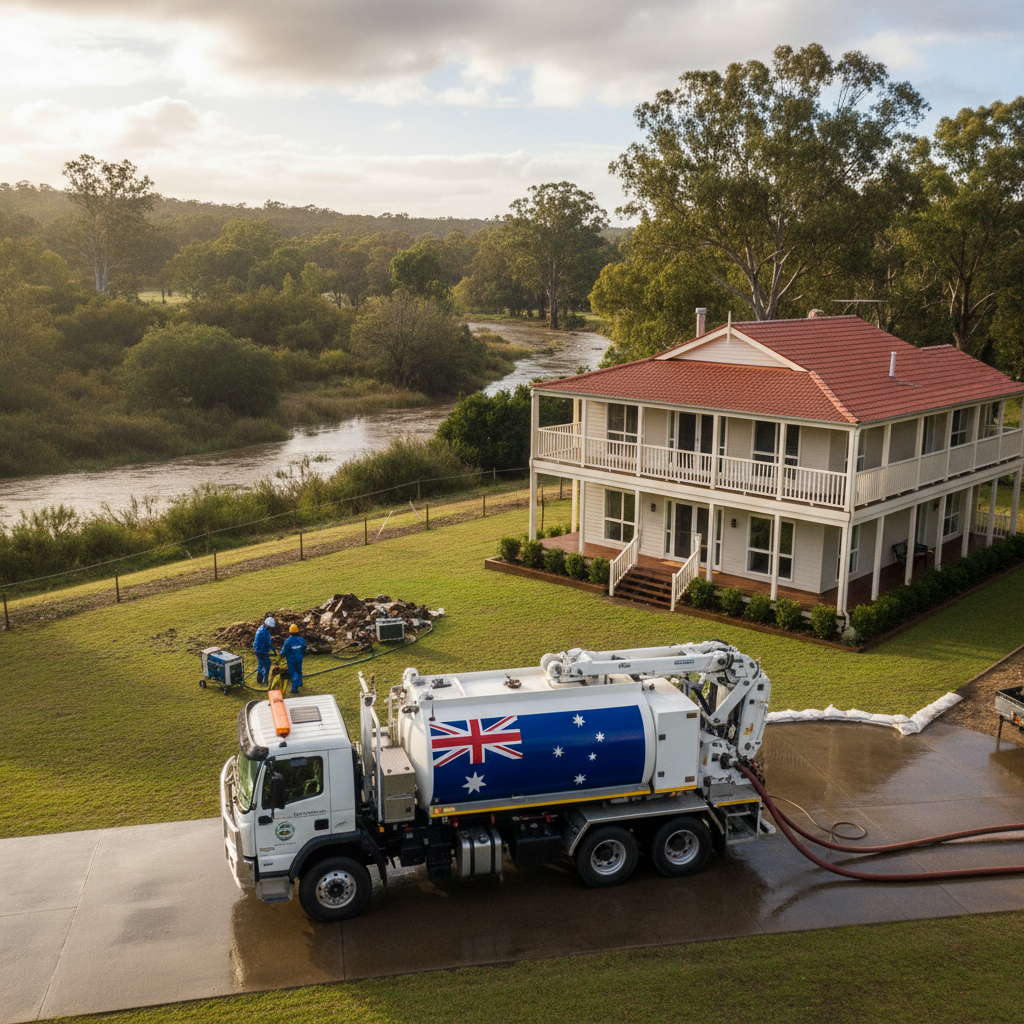
Expert Water Damage and Flood Restoration Safeguarding Australian Properties
- 11 May, 2026
Expert Water Damage and Flood Restoration Safeguarding Australian Properties
Australia's diverse climate, from coastal storms to inland deluges, frequently puts properties at risk of significant water damage. Whether it's a sudden burst pipe, an overflowing appliance, or the widespread devastation of a flood, the impact on homes and businesses can be immediate and severe. Beyond the visible destruction, water ingress poses hidden threats, compromising structural integrity, fostering hazardous mould growth, and damaging valuable possessions. When faced with such an emergency, understanding the critical importance of swift, professional intervention is paramount. This comprehensive guide explores the complexities of water damage, the necessity for rapid response, and how expert services provide the vital lifeline for recovery and restoration across the Australian landscape.
The Immediate Threat of Water Damage to Your Property
Water damage is far more than just a wet floor; it initiates a destructive chain reaction that can rapidly escalate if not addressed with urgency and expertise. The longer water remains present, the greater the potential for secondary damage, leading to more extensive repairs and higher costs. From the moment water enters a property, it begins to saturate porous materials, weaken building structures, and create an ideal breeding ground for bacteria and mould. This immediate threat necessitates a professional and prompt response to mitigate the damage effectively.
Understanding Different Types of Water Damage
Not all water damage is created equal, and the source of the water significantly impacts the restoration approach required. "Clean water" damage typically originates from a burst pipe, overflowing sink, or appliance malfunction, posing minimal health risks if addressed quickly. "Grey water," from sources like washing machine overflow or dishwashers, carries a degree of contamination and can cause illness. The most hazardous is "black water," which comes from sewage, floods, or natural disasters, containing harmful bacteria and pathogens that demand specialised handling and sanitisation to protect occupants' health. Identifying the water category is the first critical step in any effective water damage restoration strategy.
Why Rapid Response is Critical for Water Damage Restoration Australia
In the context of water damage restoration Australia, speed is of the essence. Within 24-48 hours, standing water can begin to cause irreversible damage to building materials like drywall, flooring, and insulation. Moisture quickly permeates hidden cavities, leading to swelling, warping, and structural compromise. More alarmingly, this damp environment is perfect for mould spores, which are always present in the air, to germinate and spread rapidly. A delay of even a few hours can turn a manageable situation into a health hazard and a much more costly, complex restoration project. Professional services offer an immediate response, deploying advanced equipment and trained technicians to halt this progression and begin the drying process.
When Disaster Strikes Flood Restoration Australia and Emergency Response
Flooding, whether from severe weather events or large-scale plumbing failures, presents a unique and often overwhelming challenge. The sheer volume of water, coupled with its potential for contamination, demands an immediate and robust response. When dealing with widespread inundation, the need for specialised water damage restoration Australia services becomes even more pronounced, requiring a coordinated effort to manage large-scale water extraction and drying.
Dealing with Floodwaters Swift and Effective Action
Floodwaters are typically classified as black water, carrying significant health risks due to contaminants like sewage, chemicals, and debris. This necessitates a highly cautious and thorough approach to flood restoration Australia. Professionals are equipped with heavy-duty pumps and extraction units capable of removing vast quantities of water quickly. Beyond extraction, the process involves comprehensive sanitisation and disinfection to eliminate bacteria and pathogens, ensuring the property is safe for re-occupancy. Without these specialised measures, flood-affected properties can become long-term health hazards, making expert intervention non-negotiable for complete recovery.
The Importance of Emergency Water Damage Restoration Services
Disasters don't adhere to business hours, and neither should your restoration service. The availability of emergency water damage restoration services 24/7 is crucial for mitigating damage and beginning the recovery process immediately after an incident. An emergency team can be on-site within hours, providing initial assessment, securing the property, and initiating critical water extraction and drying procedures. This immediate action drastically reduces the extent of damage, prevents secondary issues like mould, and ultimately saves property owners significant time, stress, and money. Knowing that professional help is just a call away provides invaluable peace of mind during a crisis.
Battling the Elements Storm Damage Restoration Australia
Australia is no stranger to severe weather events, from torrential downpours and cyclones to hailstorms and powerful winds. These storms often bring with them a unique set of challenges that result in significant water ingress and property damage. When the skies open up and the wind howls, homes and businesses can quickly become vulnerable, necessitating specialised approaches for recovery.
Common Storm-Related Water Damage Scenarios
Storms can inflict water damage through various avenues. High winds can tear off roof tiles or compromise flashing, allowing rain to pour directly into attics and ceilings. Heavy rainfall can overwhelm gutters, leading to overflows that saturate exterior walls and foundations. Broken windows or damaged doors provide direct entry points for wind-driven rain. Even seemingly minor damage, like a small crack in the roof, can allow persistent leaks that accumulate over time, leading to hidden mould and structural decay. The unpredictable nature of storms means that damage can be widespread and complex, often requiring a multifaceted restoration strategy.
Specialized Storm Damage Restoration Approaches
When severe weather hits, specialised storm damage restoration Australia services become indispensable. These services begin with securing the property to prevent further damage, which might involve temporary tarping of roofs, boarding up broken windows, or shoring up compromised structures. Following this immediate stabilisation, the focus shifts to comprehensive water extraction, using industrial-grade equipment to remove standing water and deeply absorbed moisture. Advanced drying and dehumidification techniques are then employed to restore ambient humidity levels and prevent mould growth. The restoration process also includes debris removal, thorough cleaning, and sanitisation, culminating in any necessary structural repairs to return the property to its pre-storm condition, ensuring safety and integrity.
Finding Reliable Water Damage Restoration Near Me
When water damage strikes, the need for immediate, trustworthy assistance is paramount. The search for "water damage restoration near me" isn't just about proximity; it's about finding a service provider that combines rapid response with certified expertise and a comprehensive approach to restoration. A local presence often means faster deployment, but it must be backed by the necessary skills and resources to handle any scale of water damage effectively.
What to Look For in a Restoration Provider
Choosing the right restoration company is a critical decision. Look for providers with industry certifications, such as those from the Institute of Inspection, Cleaning and Restoration Certification (IICRC), which signify adherence to the highest standards of training and best practices. Experience is invaluable; a company with a proven track record understands the nuances of different water damage scenarios and can anticipate potential issues. Ensure they utilise state-of-the-art equipment for water extraction, drying, and moisture detection. Furthermore, a reputable restorer should be fully insured and capable of assisting with insurance claims, streamlining a potentially complex process. Local knowledge can also be beneficial, as they may understand regional building codes and common environmental challenges.
The Comprehensive Restoration Process
Professional water damage restoration involves a structured, multi-stage process designed to meticulously restore your property. It typically begins with a thorough assessment to determine the extent of the damage and the category of water involved. This is followed by powerful water extraction, removing as much standing water as possible. Industrial-strength air movers and dehumidifiers are then deployed for meticulous drying and dehumidification, often using thermal imaging and moisture meters to ensure no hidden pockets of moisture remain. Cleaning, sanitisation, and odour removal are crucial steps, especially with grey or black water, to prevent health hazards and lingering smells. Finally, any necessary repairs or reconstruction work is undertaken to return your property to its pre-loss condition, making the entire process seamless and stress-free for the property owner.
Your Trusted Partner for Water Damage Restoration Australia
Navigating the aftermath of water damage, whether from a burst pipe, a significant flood, or a severe storm, can be an incredibly stressful and daunting experience. The health of your property and its occupants hinges on a swift, expert response. That's why partnering with a proven leader in the field of water damage restoration Australia is not just a convenience; it's a necessity for comprehensive recovery and peace of mind. The National Restoration Network stands as a beacon of reliability and excellence across the country, ready to respond to your emergency with unparalleled professionalism.
With a deep understanding of Australia's unique environmental challenges and a commitment to rapid, effective service, the National Restoration Network offers a complete suite of water, flood, and storm damage restoration services. Their certified technicians are equipped with advanced technology and extensive training to handle everything from initial water extraction and thorough drying to complex mould remediation and full structural repairs. They are dedicated to restoring not just your property, but also your sense of security and normalcy, minimising disruption and ensuring a safe, healthy environment for the future.
Conclusion
Water damage, in all its forms, poses a significant threat to Australian properties, demanding immediate and professional attention. From the critical first hours following a burst pipe to the extensive clean-up required after a major flood or storm, the speed and expertise of your restoration partner are paramount. Ignoring or delaying professional intervention can lead to escalating costs, irreversible structural damage, and severe health risks due to mould and contaminants. By understanding the different types of water damage and the specialised approaches required for flood and storm restoration, property owners can make informed decisions to protect their investments.
For unparalleled emergency response and comprehensive restoration services across Australia, trust in the expertise of a dedicated team. When disaster strikes, ensuring your property's swift and thorough recovery means relying on professionals who understand the urgency and have the resources to deliver exceptional results. Don't let water damage define your property's future; act quickly and connect with the National Restoration Network to restore safety, integrity, and peace of mind.